 Diabetes In Control. A free weekly diabetes newsletter for Medical Professionals. News and information for Medical Professionals.
- Getting Type 2 Diabetes Early Increases Mortality Risk Later in Life
- Dietary Sugar and Type 2 Diabetes Risk
- Lifestyle Behaviors to Reduce Risk for Type 2 Diabetes
- Addition of SGLT2 Inhibitor when Glycemic Control Cannot be Attained with Insulin Alone
- Total Insulin Reduction and Blood Glucose Lowering When Eating Dinner for Breakfast
- Going Low-Carb as an Athlete with Diabetes
- by Sheri R. Colberg, PhD, FACSM
Letter from the Editor

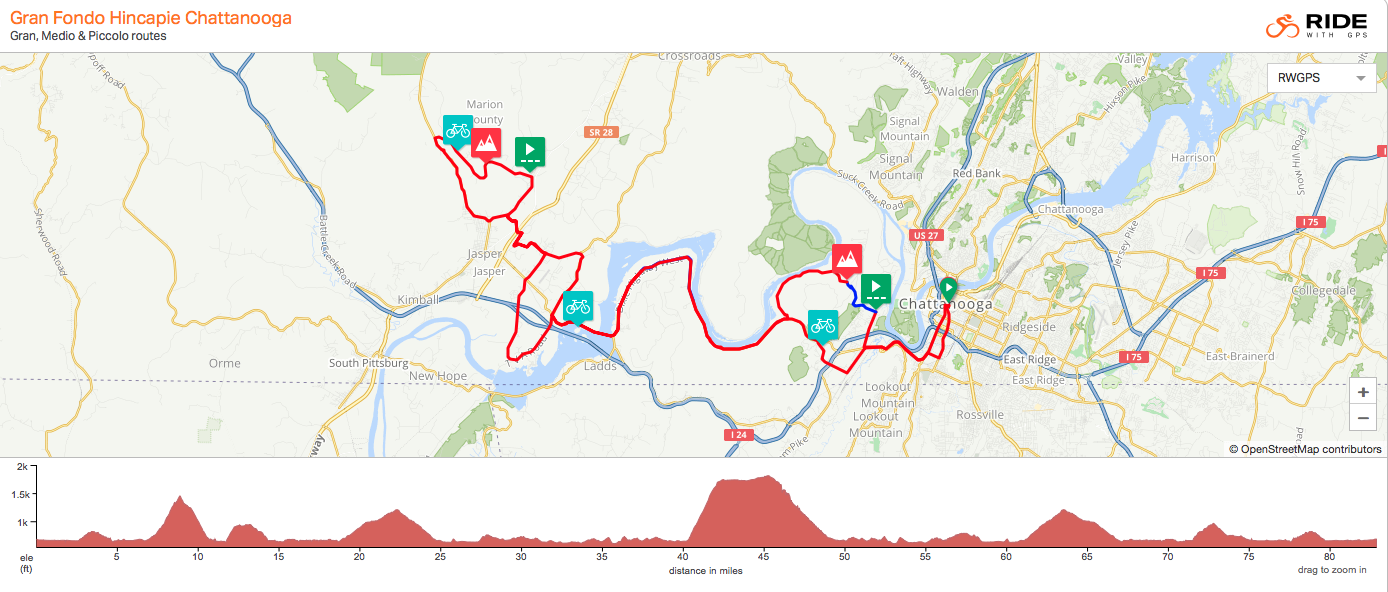 I recently got to ride in the Hincapie Grand Fondo in Chattanooga, TN. ( Click here to see ride.) This ride covered 82 miles and 6,000 feet of climbing and I was on the bike for just over 6 hours. According to the stats I burned about 3,800 calories. Part of my concern on the ride was getting enough fuel to last the whole ride. My coach had told me about 400 calories and 65 carbs an hour. I am a low carb guy and have been ever since Steve got me into diabetes care back in 1995; 65 carbs was about what I ate in a day, and the thought of eating that per hour, even with the energy I was expending, just wasn’t in my wheelhouse. I told coach Roy about my long term eating habits and how I felt 20 carbs an hour would be more than enough. He did not agree with me, but sensing my attitude about eating carbs, he told me to give it a try.

I packed my jersey with high fat, high protein snacks and carried high protein drink mixes to put in my water. The 4 rest stops on the route had peanut butter and Oreos and Fig Newtons, and so I was able to hold my carbs at 20 per hour by mixing my foods. The largest climb was 2.1 miles and the elevation rose 1,485 feet, and although I was going as slow as 1.3 mph I still managed to get over without bonking out and having to stop.
When I got back to St. Pete and met up with Roy he was amazed by my performance at the low carb level I maintained. I tried to explain that as a low carb eater, I had become a fast fat metabolizer, but he would not buy into that concept. This week I am going to prove him wrong as our Activity Guru, Dr. Sheri Colberg, has prepared a feature on “Going Low-Carb as an Athlete with Diabetes.” My first thing to do will be to send Roy a copy.
*****************************
We can make a difference!
*****************************
Dave Joffe
Editor-in-chief
This Week's Survey
How much time do you spend with a patient newly diagnosed with type 2 diabetes,, even though you refer them for diabetes education?
Follow the link to share your response.
New Product: Dexcom G6
 The U.S. Food and Drug Administration approved a version of Dexcom’s revolutionary G6 integrated CGM system that does not require fingerstick calibration and is designed to be integrated with future insulin pump systems. Its targeted ship date is June 4, 2018. The G6 is the first integrated CGM system to be approved by the FDA and may streamline the approval process for other similar integrated CGM systems.
New Dexcom G6 features include:
- Fingerstick Elimination – No fingersticks are needed for calibration or diabetes treatment decisions.
- Easy Sensor Applicator – Complete redesign of the sensor applicator allows for one-touch, simple insertion.
- Discreet and Low Profile – A redesigned transmitter with a 28% lower profile than the previous generation Dexcom CGMs makes the device comfortable and easy to wear under clothing.
- Predictive Low Alert – New alert feature predicts hypoglycemia before it hits to help avoid dangerous low blood sugar events.
- Extended 10-Day Sensor – 10-day sensor allows for 43% longer wear than previous generation Dexcom CGMs.
Watch Beyond Type 1’s unboxing video of the Dexcom G6 Demo Kit on Facebook Live.
Test Your Knowledge
Mr. Carlson is 52-year old Caucasian grocery store manager you saw last week for a new patient visit. His labs from that visit were significant for elevated random plasma glucose 166 mg/dL, A1C 7.4% and elevated lipids (TG equals 175 mg/dL, LDL 148 mg/dL, HDL 38 mg/dL, total cholesterol 221 mg/dL). He has returned to your clinic for a follow-up appointment. His physical exam is notable for central abdominal obesity (waist circumference 42”),left eyelid xanthelasma, BP 147/91, HR 72, RR 18, BMI 36 kg/m2, but otherwise normal. A repeat A1C test shows A1C 7.6% Mr. Carlson smokes between 1 and 1.5 packs of cigarettes daily. After discussing the labs and your findings with Mr. Carlson, you begin collaborating on a management plan. You write prescriptions for metformin, a statin and ACE inhibitor. Mr. Carlson doesn’t think “taking medication will be too tough” but expresses skepticism about your recommendations for a change in his diet, exercise and smoking programs because he has tried them, without success in the past.
What is considered the starting BMI for consideration of bariatric surgery?
1. BMI greater than 28 kg/m2
2. BMI greater than 30 kg/m2
3. BMI greater than 35 kg/m2
4. BMI greater than 37 kg/m2
Follow the link for the answer.
Did You Know: Grilled Meats, Fish Linked to Hypertension
The study of nearly 33,000 women in the Nurses’ Health Study (from 1996 to 2012) and 54,000 men in the Health Professionals Follow-Up Study (also from 1996 to 2012) showed that consumption of red meat, chicken, or fish prepared with open-flame or high-temperature cooking more than 15 times per month was associated with a 17% higher risk for hypertension compared with the lowest category of consumption of the foods, defined as fewer than four times per month. A high consumption of meat, poultry, or fish that is grilled, broiled, or cooked at a high temperature is associated with an increased risk for hypertension, independent of the overall amount consumed, and the risk is also increased with higher intake of well-done meat. Among individuals who consume red meat, chicken, or fish regularly, the findings imply that avoiding the use of open-flame and/or high-temperature cooking methods, including grilling/barbecuing, broiling, and roasting, may help reduce hypertension risk. The carcinogenic potential of grilling is already known. The same hazardous chemicals that might cause cancer are also believed to cause hypertension. It may be time to tell patients to go easy on those grilled foods and well-done meats. — The study was presented at the American Heart Association EPI | Lifestyle Scientific Sessions 2018 in New Orleans, Louisiana.
Several population studies have demonstrated that when people are diagnosed with type 2 diabetes earlier in life, the risk of earlier complications including mortality related to the diabetes is significantly higher than in older populations.
Increased consumption of dietary sugars does not show increase risk of developing type 2 diabetes.
Identifying the lifestyle behaviors that can reduce the risk of type 2 diabetes in individuals considered low-risk.
Benefits of SGLT2 inhibitors in patients treated with insulin.
A hearty breakfast, a medium lunch, and a light dinner might be the eating plan that can help people who have diabetes reduce their need for insulin, researchers suggested.
by Sheri R. Colberg, PhD, FACSM
There has been a lot of interest recently in going “low-carb” to better manage diabetes, particularly type 1. At present, a large clinical study is being undertaken in Scandinavia to examine the effects of very low-carb eating on blood glucose levels in adults with type 1 diabetes. For years, a very low-carb diet championed by Dr. Bernstein has been the main one followed by some with diabetes, until the last decade when fad weight loss plans like the LCHF (low-carb, high-fat, or Keto) and Paleo Diets have been become mainstream not just for losing weight, but also for their purported ability to boost to athletic performance and improve blood glucose management. All these eating plans are very low in carbohydrates, but differ in the types of non-carb macronutrients or foods they recommend.
Quote of the Week!
“Start by doing what’s necessary; then do what’s possible; and suddenly you are doing the impossible.”
…Francis of Assisi
Diabetes in Control gratefully acknowledges the assistance of the following pharmacy doctoral candidates in the preparation of this week’s newsletter:
Vidhi Patel, Pharm. D. Candidate 2018, LECOM College of Pharmacy
Kaytie A. Weierstahl, Pharm.D. Candidate, LECOM School of Pharmacy
Your Friends in Diabetes Care
Steve and Dave
Diabetes In Control
810 Bear Tavern Road Suite 102
Ewing, NJ, 08628
USA
www.diabetesincontrol.com