 Diabetes In Control. A free weekly diabetes newsletter for Medical Professionals. News and information for Medical Professionals.
- How to Optimize Antidiabetic Pharmacotherapy Using the Clinical Significance of HbA1c Variations
- High Cholesterol Undertreated in Hispanic-Americans
- Pancreatic Cancer Not Associated with Incretin Drugs
- White Coat & Masked Hypertension Can Equal Heart Disease
- Variability in Sleep Duration Associated With Risk of Developing Type 2 Diabetes
- Soy Protein Shows Benefit in Gestational Diabetes
- Two Types of Diet May Protect Against Type 2 Through Regulation of Gut Microbiota
- 34 Types of Bacteria Associated with Cholesterol Levels and BMI
- Healthy Food Access May Foster Better Diabetes Management
- Diet High in Sugar and/or Fat Associated With High Insulin and Hypertension

Diabetes educators often have mixed emotions about the use of artificially sweetened food products. On the one hand the reduction of glucose-raising sweeteners offers our patients a way to enjoy the tastes they like and still reduce calorie and carb consumption. On the flip side we often wonder if these sweeteners have detrimental effects, like increasing sugar desires, headaches and even cancers. One thing that seems to be certain is the change in the gut flora when excessive sugar substitutes are used.
This week we have 2 features looking at what can happen when gut flora changes. Check out item #8 to see how gut flora affects cholesterol and BMI, and item #7 which looks at how different diets may have a positive effect on type 2 diabetes by affecting gut flora.
Announcements:
Free CME Courses
Our web site CME resource is back online! Be sure to check out the new CME courses posted there. Courses are currently available on topics including:
- Advances in the Medical & Surgical Management of Obesity
- Diabetic Retinopathy
- Strategies to Improve Prevention and Treatment of Diabetes
…and more!
dLifeTV.com: Sunday, November 22, 7PM ET
From dLife.com: “dLife goes behind the scenes on the set of a TV series that dramatizes diabetes, and does it right. Featuring actress Kim Delaney. Plus, Chef Michel Nischan with a fresh Asian twist on a healthy fish dish; and Dr. Emily Senay explains what to look for on a lab report.” Sundays live online at dLifeTV.com at 7 PM ET, 6 PM CT, and 4 PM PT. Keep up on the latest dLife news at dLifeTV.com.
*****************************
We can make a difference!
*****************************
Dave Joffe, Editor-in-chief
News Flash: Sildenafil May Improve Insulin Sensitivity (watch for more information)
This Week's Poll
What percentage of your non-insulin Diabetic patients know what their A1c result is? Follow the link to respond.
App of the Week
Instapaper is the simplest way to save and store articles for reading: offline, on-the-go, anytime, anywhere.
Featured CME
Four sessions covering: Indications for initiating insulin replacement therapy in type 2 diabetes; post-prandial hyperglycemia effect on A1C; ADA/EASD recommendation for “A1C trigger level” for treatment intensification; pharmacokinetics and place in therapy of available insulin products; strategies for individualizing insulin regimens.
New Product: Smart Insulin Patch
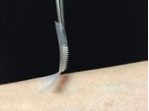 Invented to replace insulin injections for diabetes, the Smart Insulin Patch is a joint effort between diabetes doctors and biomedical engineers that could revolutionize how people with diabetes keep their blood glucose levels in check. Researchers at the University of North Carolina and NC State have created the first “smart insulin patch” that can detect increases in blood glucose levels and secrete doses of insulin into the bloodstream whenever needed. The patch – a thin square no bigger than a penny – is covered with more than one hundred tiny needles, each about the size of an eyelash. These “microneedles” are packed with microscopic storage units for insulin and glucose-sensing enzymes that rapidly release their cargo when blood glucose levels get too high. The study, which is published in the Proceedings of the National Academy of Sciences, found that the new, painless patch could lower blood glucose in a mouse model of type 1 diabetes for up to nine hours. More subsequent clinical trials in humans will be required before the patch can be administered to patients, but the approach shows great promise.
Tool for your Practice
Test Your Knowledge
A 75-year-old man presents to your office with complaints of occasional mild hypoglycemia. His current antihyperglycemic regimen includes metformin and nateglinide. You would like to modify his treatment regimen to minimize his risk of hypoglycemia. Which one of the following 2-drug combinations would NOT be a suitable substitution? Follow the link to answer!
Did You Know: Type 2 Patients Fall Into Three Groups
This is according to researchers who have analyzed genotypes and data pulled from electronic health records (EHRs). Knowing those groups and health risks associated with them may help provide information on the most appropriate treatment. Researchers compared several hundred variables, including laboratory test results, medication history, blood counts, metabolic panels, height, weight, and genotype data from 2551 patients with type 2 diabetes. They found commonalities settled into three distinct clusters. Those in group 1 were younger, more obese, and had higher relative risk for diabetic nephropathy and retinopathy; group 2 had higher risk for cancer and cardiovascular disease; risk in group 3 was associated most strongly with cardiovascular disease, neurological diseases, allergies, and HIV infections. Sci Transl Med. 2015;7(311):311ra174. Abstract
Very elevated HbA1c associated with fasting blood glucose levels.
FACT: Up to two-thirds of eligible Hispanics are not taking statins.
Study results indicate that risk increased similarly for all glucose lowering agents.
Data from a longitudinal study shows that white coat hypertension and masked hypertension are both associated with increased risk of cardiovascular events.
Study focuses on older women who sleep 6 hours or less or increase sleep duration by 2 hours or more over several years.
Did You Know: One More Study Links Coffee To Lower Risk of Death
Researchers found people who drank one to five cups of coffee daily, whether caffeinated, decaffeinated or both, were less likely to die from type 2 diabetes, heart disease, neurological diseases or suicide, but not cancer, compared with those who didn’t drink coffee. The findings in Circulation were based on data from more than 200,000 participants. Death from heart disease, neurological disease and suicide was less common among moderate coffee drinkers than among others, but there was no relationship with deaths from cancer, the researchers found. Circulation, November 16, 2015.
Findings suggest improvement in glucose measures, including triglycerides.
Mediterranean, low-fat, high complex carbohydrate diets focus of study.
A study that included 893 Dutch adults has identified a potential relationship between the bacteria living in the gut and metabolic health.
Study cites pantries as beneficial point of intervention for low-income population.
Patients with highest fasting insulin had almost threefold higher risk of hypertension, left ventricular hypertrophy.
FACT: Belly Fat vs Obesity
Belly fat is more hazardous than obesity. People with belly fat have greater mortality risk than those who are obese, claims a new study. According to the study, people who have deposits of fat around their belly are at a greater risk of death than those who are generally obese or have a pear-shaped body. The researchers say that the most dangerous form of belly fat is the one which can’t be seen and exists in the form of visceral fat. Such fat lies deep within the abdomen of the individual and can result in a myriad of health problems, including cardiovascular disorders. Abdominal fat has previously been associated with an increased risk of type 2 diabetes, some type of cancer and other metabolic and cardiovascular diseases. The researchers say that normal-weight adults with central obesity are at twice the risk of dying earlier than individuals who are either obese or overweight. Annals of Internal Medicine Nov, 2015
Appropriate intensification and deintensification in medication use may be of benefit.
Study shows improvement in spatial memory and word recognition.
Quote of the Week!
“There is nothing either good or bad, but thinking makes it so.”
…William Shakespeare
Diabetes in Control gratefully acknowledges the assistance of the following pharmacy doctoral candidates in the preparation of this week’s newsletter:
Jaydeep Patel, USF College of Pharmacy
Shawn Vahabzadeh, USF College of Pharmacy
Your Friends in Diabetes Care
Steve and Dave
Diabetes In Control
810 Bear Tavern Road Suite 102
Ewing, NJ, 08628
USA
www.diabetesincontrol.com