 Diabetes In Control. A free weekly diabetes newsletter for Medical Professionals. News and information for Medical Professionals.
Genetic, early-life familial environmental factors seem not to contribute to link
Read More »Midlife Type 2 Diabetes May Up Later Risk for Cerebral Infarction

Genetic, early-life familial environmental factors seem not to contribute to link
Read More »
Findings based on 15-year follow-up study conducted among veterans with type 2 diabetes
Read More »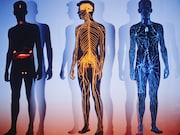
Higher number of nerve lesions, declining nerve conduction velocities and amplitudes seen
Read More »
In April we had a feature on how OSA is linked to obesity, hypertension and dyslipidemia. In 2009 we showed the link between OSA and diabetes, and in 2013 we looked at the relationship between OSA and diabetes. In all of these cases it was OSA that was the cause, …
Read More »
Specific antihypertensive treatment goals in high-risk patients are a widely controversial topic; which type of patient with diabetes benefits most from blood pressure lowering medications?
Read More »
Patients with type 2 diabetes may have a higher risk of developing obstructive sleep apnea (OSA); what should you look out for?
Read More »
When should women with polycystic ovary syndrome (PCOS) be considered for type 2 diabetes screening?
Read More »
Decline in NLEA among patients with end-stage renal disease with diabetes stabilized since 2013
Read More »Here are what the editors at HealthDay consider to be the most important developments in Diabetes & Endocrinology for May 2019. This roundup includes the latest research news from journal articles, as well as the FDA approvals and regulatory changes that are the most likely to affect clinical practice.Exercise, Therapy …
Read More »
There are a lot of reasons why type one diabetes patients may gain weight. One of the most prominent is increased insulin use. This insulin use is often increased because the patient is controlling their glucose with the goal of an 80%TIR and an A1c target of 6.0 or lower. …
Read More »