 Diabetes In Control. A free weekly diabetes newsletter for Medical Professionals. News and information for Medical Professionals.
Study assesses effect of variable glycemic levels on risk of vascular complication in patients without diabetes.
Read More »HbA1c Variability and Risk of All-Cause Mortality and Cardiovascular Events

Study assesses effect of variable glycemic levels on risk of vascular complication in patients without diabetes.
Read More »
Study attempts to determine association between elevated triglyceride levels and achieving glycemic goals for those with insulin-treated diabetes.
Read More »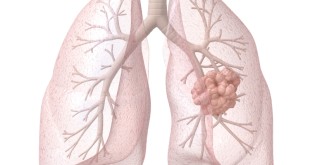
Study assessed association of cancer and sodium glucose transporter 2 expression as well as potential benefit of SGLT-2 treatment.
Read More »
Drugs shown to increase risk of hypoglycemic and cardiovascular events.
Read More »
Following diabetes diagnosis, children and adolescents have high risk of developing psychiatric condition.
Read More »
Researchers find every 0.1% increase in HbA1c above 5.1% increases diagnosis risk by 22%.
Read More »
John S. is a 63-year-old white male with significant abdominal obesity, type 2 diabetes, hypertension, and dyslipidemia as well. On the basis of an exercise stress test, John was recently diagnosed with silent ischemia. John’s current medications include metformin, a DPP-4 inhibitor, an ACE inhibitor/HCTZ agent, a calcium channel blocker, a high-dose statin, and ezetimibe. John’s relevant physical exam and laboratory findings are as follows:
BMI: 34.8 kg/m2
Blood pressure: 140/86 mm Hg
HbA1C: 7.2%
Total cholesterol: 150 mg/dL
LDL-C: 79 mg/dL
HDL-C: 42 mg/dL
Triglycerides: 145 mg/dL
non-HDL-C: 118 mg/dL
eGFR: 65 mL/min/1.73 m2
ACR: 100 mg albumin/g creatinine
Question: In consideration of John’s overall risks and guideline recommendations, which of the following options would you recommend to manage his type 2 diabetes?
A. Stop the DPP-4 inhibitor due to risk of heart failure. It will not be necessary to add another antihyperglycemic agent as long as John’s HbA1C remains less than 8%.
B. Encourage John with practical advice for improving his lifestyle, and continue with the current regimen.
C. Add basal insulin to John’s regimen and titrate the dose until his HbA1C is less than 7%.
D. Recommend starting a GLP-1 receptor agonist or an SGLT2 inhibitor to improve John’s glucose control.
Follow the link for the answer.
Read More »
Should we treat prediabetes pharmaceutically, along with diet and physical activity, for patients with an A1c of 6-6.4%? Follow the link to see how you compare to your colleagues.
Read More »
Brain atrophy does not appear to mediate the diabetes-cognition relationship
Read More »
This past week I was in our corporate offices and one of our District Managers came up to me and said he had developed type 1 diabetes. Although he is 42 years old, his physician had told him that his pancreas had quit working. His first indication was a loss …
Read More »