Several population studies have demonstrated that when people are diagnosed with type 2 diabetes earlier in life, the risk of earlier complications including mortality related to the diabetes is significantly higher than in older populations.
Read More »Monthly Archives: June 2018
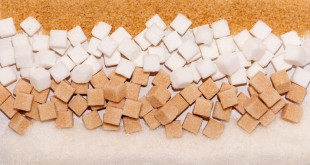
Dietary Sugar and Type 2 Diabetes Risk
Increased consumption of dietary sugars does not show increase risk of developing type 2 diabetes.
Read More »Lifestyle Behaviors to Reduce Risk for Type 2 Diabetes
Identifying the lifestyle behaviors that can reduce the risk of type 2 diabetes in individuals considered low-risk.
Read More »Addition of SGLT2 Inhibitor when Glycemic Control Cannot be Attained with Insulin Alone
Benefits of SGLT2 inhibitors in patients treated with insulin.
Read More »Total Insulin Reduction and Blood Glucose Lowering When Eating Dinner for Breakfast
A hearty breakfast, a medium lunch, and a light dinner might be the eating plan that can help people who have diabetes reduce their need for insulin, researchers suggested.
Read More »Going Low-Carb as an Athlete with Diabetes
by Sheri R. Colberg, PhD, FACSM
There has been a lot of interest recently in going “low-carb” to better manage diabetes, particularly type 1. At present, a large clinical study is being undertaken in Scandinavia to examine the effects of very low-carb eating on blood glucose levels in adults with type 1 diabetes. For years, a very low-carb diet championed by Dr. Bernstein has been the main one followed by some with diabetes, until the last decade when fad weight loss plans like the LCHF (low-carb, high-fat, or Keto) and Paleo Diets have been become mainstream not just for losing weight, but also for their purported ability to boost to athletic performance and improve blood glucose management. All these eating plans are very low in carbohydrates, but differ in the types of non-carb macronutrients or foods they recommend.
BMI for Bariatric Surgery
Mr. Carlson is 52-year old Caucasian grocery store manager you saw last week for a new patient visit. His labs from that visit were significant for elevated random plasma glucose 166 mg/dL, A1C 7.4% and elevated lipids (TG equals 175 mg/dL, LDL 148 mg/dL, HDL 38 mg/dL, total cholesterol 221 mg/dL). He has returned to your clinic for a follow-up appointment. His physical exam is notable for central abdominal obesity (waist circumference 42”),left eyelid xanthelasma, BP 147/91, HR 72, RR 18, BMI 36 kg/m2, but otherwise normal. A repeat A1C test shows A1C 7.6% Mr. Carlson smokes between 1 and 1.5 packs of cigarettes daily. After discussing the labs and your findings with Mr. Carlson, you begin collaborating on a management plan. You write prescriptions for metformin, a statin and ACE inhibitor. Mr. Carlson doesn’t think “taking medication will be too tough” but expresses skepticism about your recommendations for a change in his diet, exercise and smoking programs because he has tried them, without success in the past. What is considered the starting BMI for consideration of bariatric surgery? 1. BMI greater than 28 kg/m2 2. BMI greater than 30 kg/m2 3. BMI greater than 35 kg/m2 4. BMI greater than 37 kg/m2 Follow the link for the answer.
Read More »Patient Quality Time
How much time do you spend with a patient newly diagnosed with type 2 diabetes,, even though you refer them for diabetes education? Follow the link to share your response.
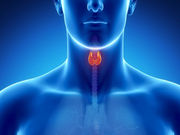
Read More »Male Thyroid Cancer Survivors Face Higher CVD Risk
Age at diagnosis, sex, BMI, and thyroid-stimulating hormone suppression therapy affect CVD risk
Read More »Postmenopausal Sex Hormone Levels Associated With Later CVD
Higher testosterone/estradiol ratio linked to elevated risk for incident cardiovascular disease
Read More »
Diabetes In Control. A free weekly diabetes newsletter for Medical Professionals. News and information for Medical Professionals.