Nov 4, 2017
Letter From The Editor
2,530 views
Over the years we have heard that there are more than two types of diabetes. In fact we have carried articles in the past stating that Alzheimer’s is really a form of diabetes. These monikers often disappear in a short time period and are forgotten. This week we bring you …
Read More »
Nov 4, 2017
Articles, Blood Glucose Control
59,327 views
Diabetes has long been divided into type 1 and type 2. But a third type has entered the mix — and we aren't diagnosing it correctly.
Read More »
Nov 4, 2017
Articles, Nephrology, SGLT-2 Therapy Center
6,757 views
SGLT-2 inhibitors were associated with more acute renal failure reports than other diabetes medications.
Read More »
Nov 4, 2017
Articles, GLP-1 Agonist Therapy Center, Obesity, Prediabetes
6,513 views
New study suggests improvement in quality of life and obesity seen with liraglutide compared with placebo.
Read More »
Nov 4, 2017
Articles, Blood Glucose Control, Devices, Insulin Therapy Center
5,896 views
Sensor-augmented therapy can diminish hypoglycemia with the low-glucose suspend feature.
Read More »
Nov 4, 2017
Pediatrics
8,731 views
Study uses continuous glucose monitoring (CGM) systems to assess blood glucose levels during sleep.
Read More »
Nov 4, 2017
Articles, Exercise, Featured Writers, Physical Activity
5,672 views
Living with diabetes often leads me to wonder if what I’m experiencing—particularly when it’s an irritated joint or an overuse injury—is a consequence of being a regularly physically active person, getting older, or having diabetes, or some combination of those. Which one of these is causing my joint issues? Is it possible to know? I will attempt to answer these questions based on my deeper dive into the published research.
Read More »
Nov 4, 2017
Test Your Knowledge
3,155 views
A 62-year-old Asian-American female arrives at your office for a new patient appointment. Her current medications are metformin, pioglitazone, enalapril, lovastatin, alendronate, calcium supplements and vitamin D. Her A1C is on target at 6.9%, however you decide to replace her pioglitazone with a different antihyperglycemic medication. Why would you make this decision?
A. Pioglitazone increases the risk of hypertriglyceridemia
B. Pioglitazone increases the risk for cardiovascular events
C. Pioglitazone increases the risk for fractures
D. Pioglitazone increases the risk for hypoglycemia
Follow the link to see the right answer.
Read More »
Nov 4, 2017
Polls
2,365 views
Are you open to recommending an SGLT-2 inhibitor as a second drug for a patient with type 2 diabetes who is overweight and has not met their goal? Follow the link to see how you compare to your colleagues.
Read More »
Nov 4, 2017
Blood Glucose Control, Products
32,379 views
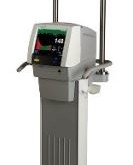
OptiScanner is the first-of-its-kind bedside blood monitoring platform that provides plasma-based, automated monitoring of ICU patients’ glucose levels. The OptiScanner 5000 directly measures plasma glucose levels using an integrated blood centrifuge and spectrometer to help avoid dangerous glycemic variations and assist clinicians in achieving the right level of glucose control.
Read More »
 Diabetes In Control. A free weekly diabetes newsletter for Medical Professionals. News and information for Medical Professionals.