 Diabetes In Control. A free weekly diabetes newsletter for Medical Professionals. News and information for Medical Professionals.
Type 2 diabetes patients showed declines in their A1C, fasting glucose, triglycerides and non-HDL cholesterol levels after nine months of daily treatment of saroglitazar, a dual peroxisome proliferator-activated receptor-agonist. The findings also revealed that the drug did not cause any serious adverse events and was well tolerated by the patients. …
Read More »Yearly Archives: 2015
Older Diabetes Patients Can Lower A1C with Early Insulin Initiation
Early insulin initiation significantly lowered A1C levels and increased odds of reaching less than 8% A1C levels among type 2 diabetes patients older than 65 who also took oral antidiabetes drugs, compared to those who delayed insulin initiation. Researchers found no significant differences in hypoglycemia events or total costs between …
Read More »The Bionic Pancreas
A collaborative group from Boston University and Massachusetts General Hospital are working together to make automated blood glucose control a reality. Engineers from Boston University have developed a bionic pancreas system that uses continuous glucose monitoring along with subcutaneous delivery of both rapid-acting insulin (to lower blood glucose) and glucagon …
Read More »Letter from the Editor, #782
Steve and I got a chance to talk to Edward Damiano, PhD, from Boston University about his work on the "Bionic Pancreas" while we were at the recent AACE meeting in Nashville. We have all seen a lot of information using CGMS and an insulin pump to automatically adjust insulin …
Read More »Editor’s Note, GLP-1 Analogs May 2015 Special Edition
This past weekend I was at the ADA regional meeting in Orlando. There were over 600 medical professional attendees, and over 40 presentations on medications and of those 28 had content on GLP-1 analogs. I got a chance to share with 200 attendees the real story on how the first …
Read More »Editor’s Note, DCMS #241
We have been at the AACE meeting in Nashville, and the information presented was overwhelming to say the least. Between Steve, Joy, and I we interviewed over 40 thought leaders, practitioners, and researchers so that we can bring you the best of their knowledge. Rather than rush these top professionals, …
Read More »Asking the Question: “Are You Wearing Your CPAP?”
A male patient, 56 years of age, with type 2 diabetes, hypertension, congestive heart failure, and sleep apnea visited. We hadn’t seen him for 6 months. His blood pressure was up, in the 140-160/90–102 range, glucose levels were higher than his targets, he was gaining weight, and continually complaining of …
Read More »Joseph Houmard, PhD: Communicating the Benefits of Physical Activity

Dr. Joe Houmard continues his discussion of the benefits of physical activity and emphasizes that, when communicating with patients, it’s especially important to tell them not to rely on a scale for results, especially if they are just starting out. One important aspect that a scale will not show is …
Read More »ADA 2015 Guidelines, Part 4
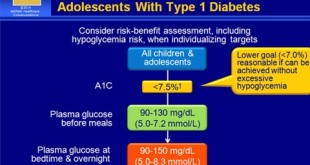
In this week’s Homerun Slides, we continue with the 2015 ADA Guidelines with slides on: CHD Screening and Treatment, Nephropathy Screening and Treatment, Diabetes Care in Older Adults, and Glycemic Targets for Children and Adolescents with Type 1 Diabetes…. To download the complete set of slides in PowerPoint (.ppt) format, just …
Read More »Circulating Progenitor Cells Predict Microvascular Outcomes in Type 2 Patients
A low CD34+ count also diminished the protective effects of ACE inhibitors/ARBs on microalbuminuria progression… Low circulating progenitor cells have been shown to predict future cardiovascular events and mortality in patients with CKD and low levels in diabetic patients may indicate microvascular complications. Diabetes lowers the levels of circulating and …
Read More »