 Diabetes In Control. A free weekly diabetes newsletter for Medical Professionals. News and information for Medical Professionals.
1 in 10 men between the ages of 40 and 59 reporting ED had undiagnosed diabetes in a recent study… Results of a recent study indicate that erectile dysfunction, particularly in middle-aged men, may be a strong indicator of diabetes. The findings highlight the importance for providers to screen any …
Read More »Monthly Archives: July 2015
Stem Cells Reduce A1c
Rexlemestrocel-L (mesoblast) can reduce A1c after a single intravenous infusion…
Read More »Diabetes and Tuberculosis
In countries with a high-burden of tuberculosis (TB), it has been well established that there is an increased incidence of TB among patients with diabetes. Diabetes patients face up to a sevenfold increased likelihood of having tuberculosis compared to the general population. However, in countries with a low burden of …
Read More »Only 35% of Diabetes Patients Can Meet Their Goals for CHO, A1C and BP
ADA’s one-size-fits-all guidelines might be unrealistic, says the author of a new study in Diabetes Care. Only 35% of more than 5,000 diabetes patients evaluated met targets for A1C and LDL cholesterol levels and blood pressure, with more white than black patients meeting the targets. Researchers found 72% of patients …
Read More »Blood Glucose Meter Accuracy Unclear at Low Glycemic Range
The accuracy of blood glucose meters (BGMs) in the low glycemic range is questionable, according to an observation published letter. This prompts concerns regarding safety for measuring blood glucose and when BGMs are used in trials. Noting that the U.S. Food and Drug Administration draft guidance for over-the-counter BGMs requires …
Read More »Medtronic Alerts FDA to Problem With Insulin Pumps
There is an issue with the bolus screen display. The wrong bolus amount may appear on the screen due to an error with the Bolus Wizard. The company is telling patients that blood glucose levels based on a bolus that is more than 12 minutes old should not be used …
Read More »Auvi-Q
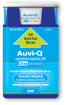
Auvi-Q (epinephrine injection, USP) is used to treat life-threatening allergic reactions (anaphylaxis) in people who are at risk for or have a history of these reactions. The first and only compact epinephrine auto‑injector for severe allergic reactions that talks you through the injection process step by step. It comes in …
Read More »Letter from the Editor, #792
Ever since we were at the ADA meeting in Boston, there has been a lot of buzz about the artificial pancreas and how great it will be. We have even provided you with exclusive interviews with the lead researchers. When we talk to prescribers and thought leaders, we often hear …
Read More »Editor’s Note, SGLT-2 Inhibitors Special Edition, July 2015
This week, the editorial staff was assigned the task of reviewing our Homerun slides. We have so many in the archives that we had to split them up just to get them all covered. While looking at them, one of our production editors found a great 3-slide series on SGLT-2 …
Read More »Discussion of Practical Implementation of SGLT-2’s with a Patient, Part 3
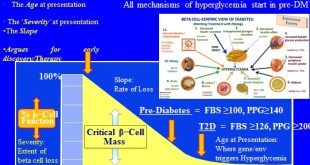
In this week’s Homerun Slides, we continue our short series on introducing SGLT-2 inhibitor therapy to your patients. Topics this week include: Practical Clinical Approaches To Maximize Benefits and Minimize Risks… To download the complete set in PowerPoint format, just use this link: Discussion of Practical Implementation of SGLT-2’s with a Patient, …
Read More »