 Diabetes In Control. A free weekly diabetes newsletter for Medical Professionals. News and information for Medical Professionals.
The research is unclear on whether diabetes increases the risk of bad infections or bad infections cause worsening glucose levels. I think that both are true but, regardless of your opinion, the important things are to treat aggressively and try to prevent them from occurring in the first place. This …
Read More »Monthly Archives: April 2015
Peter Katzmarzyk, PhD: How Can We Encourage Kids to Be More Active?

Peter Katzmarzyk, PhD, talks about steps we can easily take to make sports more appealing and available to kids today such as making parks and other recreation spaces available to all kids, no matter their economic situation. He also addresses the issue of some parents being concerned about their children’s …
Read More »Insulin Resistance – A Survival Mechanism Gone Awry, Part 3
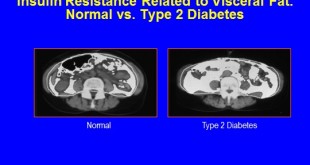
With this week’s Homerun Slides, we delve into the multiple effects of insulin resistance on the body and how these effects can accumulate causing more problems such as CV issues down the road…. To download the complete set of slides in PowerPoint (.ppt) format, just use this link: Insulin Resistance – A …
Read More »Glyburide Used for Gestational Diabetes May Increase Risk of Birth Complications
Complications seen in the study included respiratory distress, high birth weight, neonatal intensive care unit admission, and hypoglycemia… Over the last 10 years, the use of glyburide to treat gestational diabetes has increased. Even though it is easy to use, however, it may not be a good alternative to insulin …
Read More »A Novel Scale May Indicate Glycemic Progression to Type 1 Diabetes
Certain changes in blood glucose levels over six months could indicate the onset of type 1 diabetes…. A progression scale for 6 months (PS6M) served as an indicator of short-term glycemic progression toward T1D, and could possibly be a useful tool for evaluating preventive treatments and biomarkers of T1D. Blood …
Read More »Type 2 Diabetes and Other Diseases Risk Related to Increase in Artificial Light?
Lask of natural light said to disrupt circadian rhythms… Circadian rhythms are the physical and mental changes in the body responding to the cycle of light and darkness which regulate sleep/wake cycles, hormone releases, and body temperature. The study suggests the circadian rhythm could be disrupted due to a lack …
Read More »Women Retain Insulin Sensitivity Better than Men
Protein activity in female muscles said more efficient… It’s long been known that obese men are more likely to develop type 2 diabetes than obese women, but researchers at McMaster University have discovered it may be related to a difference between the sexes in the activity of a protein in …
Read More »Artificial Pancreas Software Algorithm Receives Approval in Europe
Glucositter software from DreaMed reduces hypoglycemia and increases time spent in-range in overnight and 24-hours/day use…
Read More »A Potential New Type 2 Diabetes Indicator
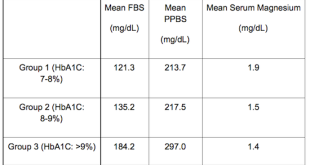
Serum magnesium level could be used to indicate the duration and control of T2DM patients… Low levels of magnesium have been associated with diabetes mellitus. Magnesium plays a role in carbohydrate metabolism and insulin action: it is a cofactor used in transporting glucose across cellular membrane and for enzymes involved …
Read More »Gastric Electrical Stimulation an Alternative to Insulin Injections?

Device implantation could be the future in T2DM and weight loss… Weight gain is often a side effect of several different oral antidiabetic drugs (OADs), such as sulfonylureas and thiazolidinedion, along with insulin. Lifestyle modification and weight loss is always recommended in T2DM, but we all know it takes great …
Read More »