 Diabetes In Control. A free weekly diabetes newsletter for Medical Professionals. News and information for Medical Professionals.
Sometimes it seems as if we don’t talk about an organ or a problem until we have a medication to treat it. For years we didn’t consider the kidney as a problem area for diabetes. It was not until we identified the SGLT-1 and -2 receptors that we began to …
Read More »Monthly Archives: October 2014
Editor’s Note, DCMS #211
Each week there seem to be articles, studies, and clinical treatises that draw a link between diabetes and cardiovascular disease. If you look through all these documents, the benchmark for measurement always seems to be A1c. However, if you were to take a look at this week’s Homerun Slides from …
Read More »Diabetes Mellitus 101 for Cardiologists, Part 2

In this week’s Homerun Slides, courtesy Dr. Stanley Schwartz, we continue our examination of diabetes from a cardiologist’s perspective with topics including the Factors Contributing to Cardiometabolic Risk and the Pathophysiology of Diabetic Complications: Implications for Goals of Therapy…. To download the complete set of these slides in PowerPoint (.ppt) …
Read More »Handbook of Diabetes, 4th Ed., Excerpt #14: Diabetic Eye Disease

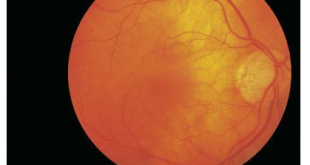
Rudy Bilous, MD, FRCP Richard Donnelly, MD, PHD, FRCP, FRACP Diabetic eye disease primarily affects the retinal vasculature, but the iris and lens can also be involved. Most people with diabetes will show signs of retinopathy after 25 years duration, but only a minority progress to the severest form. Photocoagulation has revolutionized …
Read More »AAAHC Releases Obesity Management Patient Toolkit

AAAHC Releases Obesity Management Patient Toolkit The Accreditation Association for Ambulatory Health Care has released a toolkit for obesity management, Disease Management: Obesity in Adults. The tool is intended to empower medical professionals to discuss obesity management with their patients and includes a discussion of treatment options, as …
Read More »LifeVac

LifeVac The LifeVac is a non-powered single patient portable suction apparatus developed for resuscitating a choking victim when standard ACLS protocol has been followed without success. The LifeVac comes with two mask sizes, medium and large.
Read More »Quality of Life Improves for Type 2 Diabetes Patients on Low-carb Diet
A new follow up study looked at a previous clinical trial in patients with type 2 diabetes. The initial study was conducted with 61 subjects with diabetes. The patients were randomized either to a low-carbohydrate diet or a low-fat diet, both with a caloric content of 1600 kcal for women …
Read More »Overweight People Not Capable of Beige-fat Conversion
Exposure to cold temperatures can convert white fat tissue from the thighs and belly to beige fat that burns calories for heat, but in a new study, researchers found that this biological response is hampered in obese people. Belly fat samples were analyzed to see if there was a difference …
Read More »Researchers Produce Insulin-making Beta Cells
In what may be a step toward a cure for type 1 diabetes, researchers say they’ve developed a large-scale method for turning human embryonic stem cells into fully functioning beta cells capable of producing insulin. They ultimately envision a credit card-sized package of beta cells that can be safely transplanted …
Read More »For Your Patients – Why Daily Movement Improves Your Brain Health (Part 2): Brain Hormone Changes

by Dr. Sheri Colberg, Ph.D., FACSM Continuing from my last column, here are additional reasons why your brain needs for you to be active related to changes in your brain hormones. Your brain can’t afford for you to be sedentary, at least not if you want to live long and …
Read More »