May 27, 2013
Clinical Gems, MODY/LADA
10,108 views
Konstantinos Makrilakis, MD, PhD Nikolaos Katsilambros, MD, PhD. Avoidance of complications Hypoglycemia and hypokalemia are the two most common complications of treatment of hyperglycemic crises with insulin. They have both been reduced significantly, however, with the administration of low-dose insulin and careful monitoring and replacement of serum potassium. 27,28 Frequent …
Read More »
May 27, 2013
Clinical Presentations
8,088 views
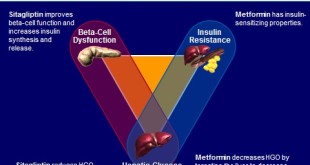
With this week’s Homerun Slides, we pick up again on our Core Defects of Type 2 Diabetes series with Part 3. This set delves into the Targeting Mechanisms for a Comprehensive Approach, Complementary Mechanisms of Action, with a focus on sitagliptin…
Read More »
May 23, 2013
Letter From The Editor
1,566 views
We are at a point with oral medications for diabetes where there are new drug approvals in recently approved classes, new drug classes where the first in class is approved, as well as late trial research moving quickly for drugs in yet unapproved classes. First it was the DPP-4 inhibitors with …
Read More »
May 23, 2013
Alerts
1,548 views
Diabetes among US Adults Grew by 45% over 20 Years See this week’s Item #2.
Read More »
May 23, 2013
Products
2,128 views
The Smart Pill Bottle AdhereTech has created patented cloud-connected pill bottles that improve medication adherence. These bottles measure the exact number of pills or liquid in the bottle in real-time, wirelessly send this HIPAA-compliant data into the cloud, and remind patients to take their medication via phone call or text. …
Read More »
May 23, 2013
Tools - Removed
1,482 views
Gargano Mortality Risk Score Calculator An all-cause 2-year mortality risk web-based calculator developed for medical professionals for their type 2 patients. The calculator was developed and is easily accessible to health care professionals for their type 2 patients. Mortality Risk Score Calculator
Read More »
May 23, 2013
Facts
1,394 views
The Milliman Medical Index measures the healthcare costs for a typical American family of four receiving healthcare benefits through an employer-sponsored preferred provider organization plan. For the second consecutive year, the increase over the prior year on a percentage basis was the lowest in the history of the study and …
Read More »
May 23, 2013
Did You Know
1,338 views
Individuals who ate sweets at least every other day were no more likely to gain excess weight and did not have a higher risk of cardiovascular disease than those who consumed sweets once a week or less, according to the US National Cancer Institute’s analysis of NHANES 05-06 data. Sweets …
Read More »
May 23, 2013
Did You Know
1,254 views
While symptoms of gastroparesis are common in both type 1 and type 2 diabetes patients, the condition is significantly underdiagnosed in the latter population. Lead researcher Dr. Lee M. Kaplan said, "The surprisingly high prevalence of gastroparesis symptoms in patients with type 2 diabetes suggests a need for greater awareness …
Read More »
May 23, 2013
Articles
1,860 views
New predictive model for all-cause mortality in patients with type 2 diabetes….
Read More »
 Diabetes In Control. A free weekly diabetes newsletter for Medical Professionals. News and information for Medical Professionals.