 Diabetes In Control. A free weekly diabetes newsletter for Medical Professionals. News and information for Medical Professionals.
Type 2 diabetes patients are at a higher risk for peptic ulcer bleeding….
Read More »Monthly Archives: April 2013
Walking Versus Running to Reduce Risk of Chronic Diseases
Which is better at lowering risk for high blood pressure, cholesterol, and diabetes?…
Read More »Obesity without Health Problems: A New Inflammatory Marker Discovered
A marker called AIM (apoptosis inhibitor of macrophage) is an important factor in the autoimmune process. The inhibition of AIM may stop the body from producing antibodies which attack the self….
Read More »Newly Designed Primary Care Services to Optimize A1c
A cohort study of 727 African-American patients with type 2 diabetes was conducted using interventions such as point-of-care education, coaching, and medication intensification from a team of a nurse, pharmacist, and dietitian….
Read More »Importance of Oral Health in Diabetes
A new European study shows an association between type 2 diabetes and chronic periodontitis….
Read More »Special Edition SGLT2 Letter from the Editor, Issue 1
This week we are pleased to bring you a special edition on the new SGLT2 Inhibitors. While many other publications have had information on this new class and the first of its kind approved drug, we decided to go into much more depth in our delivery of information. The SGLT2 …
Read More »Procedure Tracker

Shanti Bansal, MD Android/Free Track all medical procedures for any specialty. This is an application to assist medical professionals to track and log their procedures. It is perfect for the professional on the run who want to keep track of their procedures. This is well suited for students to attendings.
Read More »Core Defects of Type 2 Diabetes, Part 1 of 4
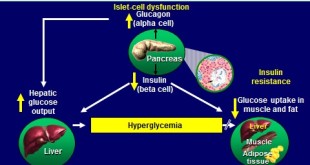
With this week’s set of Homerun Slides, we begin a new series on the Core Defects of Type 2 Diabetes. Topics included in this set include: Insulin Resistance: An Underlying Cause of Type 2 Diabetes; UKPDS – Beta Cell Loss Over Time; and Challenges in Achieving Glycemic Goals in …
Read More »Diabetic Emergencies, Diagnosis and Clinical Management: Hyperosmolar Non-ketotic Hyperglycemia, Part 1

Konstantinos Makrilakis, MD, PhD Nikolaos Katsilambros, MD, PhD. Hyperosmolar non-ketotic hyperglycemia (also called hyperosmolar hyperglycemic state [HHS]) is one of the most serious acute complications of diabetes, with significant morbidity and mortality.
Read More »Getting More Daily Lifestyle Activity

By Sheri Colberg, PhD Individuals with all types of diabetes frequently are deconditioned and live a sedentary lifestyle.
Read More »