 Diabetes In Control. A free weekly diabetes newsletter for Medical Professionals. News and information for Medical Professionals.
Use of the anti-diabetic agent pioglitazone (Actos) is associated with an increased risk of bladder cancer, a nested case-control study confirmed….
Read More »Yearly Archives: 2012
Waist Size Again Shows Strong Link to Diabetes
Waist size can predict your diabetes risk, even if you are not obese….
Read More »Significant Bleeding Risk with Low-dose Aspirin Use in Diabetes Patients
Patients with diabetes had a high rate of major bleeding regardless of aspirin use….
Read More »Depression Found to Increase All-Cause Risk of Death in Diabetes
For patients with type 2 diabetes, depression is associated with an increased risk of all-cause mortality, regardless of previous cardiovascular disease….
Read More »Heart Rate Affected by Nocturnal Hypoglycemia in Type 1’s
Hypoglycemia linked to reduction in low-frequency component of heart rate variability in type 1 diabetes….
Read More »High Fructose Consumption Impairs Liver Function
Obese patients with type 2 diabetes who increased their habitual dietary fructose consumption experienced reduced hepatic adenosine triphosphate concentrations….
Read More »Joslin’s Diabetes Deskbook, 2nd Updated Edition, Excerpt #7: What Is the Best Test to Screen for Pre-Diabetes?
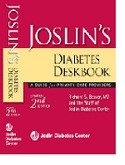
By Richard S. Beaser, M.D., and Richard Jackson, MD Can you name 7 symptoms of diabetes besides the classic symptoms of polyuria, polydipsia, and polyphagia as well as weight loss?….
Read More »ADA-EASD Position Statement: Management of Hyperglycemia in T2DM, Part 2 of 4
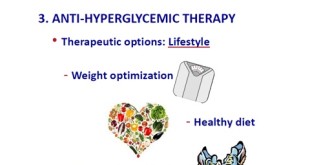
With this week’s selection of Homerun Slides, we have Part 2 of the ADA-EASD Position Statement on the Management of Hyperglycemia in T2DM, with coverage of Glycemic Targets, Therapeutic Options, and Implementation Strategies.
Read More »Endobarrier (R)
Report by Jacqueline Vogt, PharmD Candidate, UF College of Pharmacy More than one-third of adults and approximately 17% of children and adolescents in the U.S. are obese, according to the Centers for Disease Control and Prevention and the National Health and Nutrition Examination Survey1.
Read More »Berries Help to Preserve Memory
Berries such as blueberries and strawberries are high in anthocyanidins, a type of flavonoid antioxidant, which has been shown in previous studies to improve cognition. Analyzed data collected in the Nurses’ Health Study found that women who consumed 2 or more servings of strawberries and blueberries each week experienced a …
Read More »