 Diabetes In Control. A free weekly diabetes newsletter for Medical Professionals. News and information for Medical Professionals.
Dr. Grant tells us exactly what he wants his A1c to be. More videos with Dr. Grant: Richard W. Grant, MD, MPH: Introduction Q1: Tips to Prevent Diabetes Q3: Fitness and Nutrition Q4: Prediabetes
Read More »Monthly Archives: July 2012
Richard W. Grant, MD, MPH: Tips to Prevent Diabetes

Richard W. Grant, MD, MPH, a research scientist at the Division of Research, Kaiser Permanente Northern California, advises clinicians to first try to gain and understanding of each individual patient first then move forward for a tailored approach to diabetes management….
Read More »Richard W. Grant, MD, MPH: Introduction
Dr. Grant introduces himself and describes his current research into whether patients can be motivated to better diabetes management if they are aware of their risk factors. More videos with Dr. Grant: Q1: Tips to Prevent Diabetes Q2: What Do You Want Your A1c to Be? Q3: Fitness and Nutrition …
Read More »Peter Nilsson, MD, PhD: Diabetes and CVD – Recent Population Changes
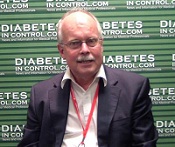
Dr. Nilsson talks about the A1c test and CVD risk, and how CVD indicators such as BMI, cholesterol, and blood pressure have changed over the last 20-30 years, both in the diabetic population and the non-diabetic population, including the successful lowering of certain background risk factors. Dr. Nilsson gives some …
Read More »Peter Nilsson, MD, PhD, Q2: What Do You Want Your A1c to Be?
Dr. Nilsson gives us several options for the “best” A1c, and explains why he doesn’t believe in the “magic of numbers.” More videos with Dr. Nilsson: Peter Nilsson, MD, PhD, Introduction Hypertension and Diabetes Diabetes and CVD – Recent Population Changes
Read More »Peter Nilsson, MD, PhD: Hypertension and Diabetes
Dr. Peter Nilsson, Professor of Clinical Cardiovascular Research in the Department of Clinical Sciences, Lund University, Skåne University Hospital, in Malmö, Sweden gives us the three things he does in managing hypertension in any of his patients….
Read More »Peter Nilsson, MD, PhD, Introduction
Dr. Nilsson introduces himself, and talks about his research on hypertension and diabetes, and the complexity and difficulty of identifying an “ideal” blood pressure level for patients with varying degrees of cardiovascular risk, and different diseases. He also discusses the current guidelines and explains that much research still needs to …
Read More »Letter from the Editor #634: Artificial Sweeteners and Obesity vs. Mortality
Last week in a class, three of my patients informed me that using artificial sweeteners actually caused weight gain and higher glucose levels and that it was better to use real sugar if you have diabetes. When I asked them why, I got a variety of answers that I am …
Read More »TV Time Affects Quality of Life
TV Time Affects Quality of Life See this week’s Item #10, Sitting Less Adds Years to Life.
Read More »Slimming Spectacles

Slimming Spectacles Japanese inventors have designed a hi-tech device that claims to help people lose weight involving a pair of ‘slimming spectacles’ that trick the brain into thinking that food is 50% bigger than it really is. The virtual tasting headgear screens a larger-looking image of the food in front …
Read More »