 Diabetes In Control. A free weekly diabetes newsletter for Medical Professionals. News and information for Medical Professionals.
The advantages of insulin pens may reduce resistance to initiating and adhering to insulin therapy. Many patients resist insulin initiation due to concerns about complexity or a general resistance to injections; many patients’ concerns about insulin initiation may stem from perceptions about the pain and inconvenience of using vials and …
Read More »Monthly Archives: September 2011
Dr. Stanley Schwartz on Early Insulin Use

Stanley Schwartz, MD, FACP, FACE, shares his views on early insulin initiation. Insulin is the most effective agent available for lowering glycemia. If given in appropriate doses, insulin may decrease any elevated HbA1c to, or close to, the therapeutic goal. However, insulin therapy is associated with weight gain of 2 …
Read More »Dr. Aaron I. Vinik on Early Insulin Use in the Progression of Diabetes

One of the leading diabetes researchers in the world, Dr. Aaron I. Vinik, Director of Research and Neuroendocrine Unit, EVMS Strelitz Diabetes Research Center, shares his views on early insulin initiation. The natural history of type 2 Diabetes (T2DM) is a progressive worsening of glycemic control as a consequence of …
Read More »Editor’s Note: Our One-Year Anniversary
This week marks one year since we started delivering our Diabetes Clinical Mastery Series newsletter, and Steve, Andrew, Heather and I appreciate the great support you have given us. According to your emails, the Homerun Slides have provided great materials for your talks, and there have been enough comments about …
Read More »Early Use of Insulin to Improve Beta Cell Preservation
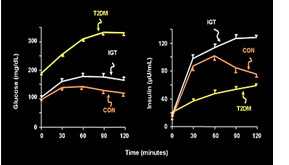
By David Joffe, BSPharm, CDE; Steve Freed, BSPharm CPT; Brandon Flohr, PharmD, and Vanessa Cepero, PharmD, CVS Pharmacy Type 2 diabetes is a heterogeneous disorder, characterized by glucotoxicity, beta cell dysfunction and decreased insulin sensitivity. Presence of amyloid deposits in the islets and decreased beta cell mass are the pathological hallmark …
Read More »Managing Clinical Problems in Diabetes, Case Study #23: Type 1 and Pre-Teens

Edited by Trisha Dunning AM, RN, MEd, PhD, CDE, FRCNA and Glenn Ward MBBS, BSc, DPhil (Oxon), FRACP, FRCPath Jade, an 11-year-old girl, was admitted via the emergency department with hyperglycemia, ketonuria and a weight loss of 6 kg over the past 4 weeks. The only history of diabetes in …
Read More »Pathophysiology in the Treatment of Type 2 Diabetes: Newer Agents, Part 5 of 5
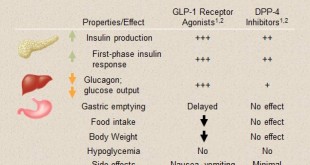
This week we conclude our five-part series of Homerun Slides on Pathophysiology in the Treatment of Type 2 Diabetes: New Agents. This week’s slides include coverage of Liraglutide and Pramlintide….
Read More »Letter from the Editor #592
This week we bring you more on the EASD and there is an exceptional amount of new information on GLP-1s: I don’t mean just another analog but multiple ways that GLP-1 can be increased in the body, and new ideas on the benefits. According to this week’s Item #2, EASD: …
Read More »Being Female and Physically Active: Special Concerns for Women with Diabetes

By Sheri Colberg, PhD Before the advent of blood glucose meters, discovering how much of an effect female hormones have on insulin action was impossible. If you’re female, past puberty, and still young enough to be menstruating, then you’ll want to find out more about factoring your time of …
Read More »Carbohydrate Cheat Sheet
Carbohydrate Cheat Sheet The carb count for the top 50 foods we eat: a simple one page pdf form that your patients can keep with them. Just follow this link to download the Carbohydrate Cheat Sheet.
Read More »