Sep 10, 2016
Letter From The Editor
2,360 views
There have always been conversations amongst medical professionals on the best way to get patients to take the diagnosis of type 2 diabetes seriously. Most of these patients have no symptoms and find out by accident when labs are done or they go to a health fair screening. Because the …
Read More »
Sep 10, 2016
Articles, Insulin Therapy Center, Type 2 Diabetes
9,549 views
Starting patients diagnosed within the last 7 years on 2-4 weeks of intensive insulin therapy could help keep them off additional medications for at least 48 weeks.
Read More »
Sep 10, 2016
Articles, Ophthalmology
9,397 views
Studies suggest fenofibrate can prevent microvascular changes, decrease need for surgery.
Read More »
Sep 10, 2016
Articles, Blood Glucose Control, Nephrology
4,650 views
Tighter glucose and blood pressure control found to decrease incidence.
Read More »
Sep 10, 2016
Articles, Blood Glucose Control, GLP-1 Agonist Therapy Center
8,241 views
A phase 2 randomized controlled trial demonstrated clinically significant changes in glycemic control.
Read More »
Sep 10, 2016
Articles, Metformin Therapy Center, Nephrology
14,288 views
Metformin use has been associated with significant disturbances in acid-base balance.
Read More »
Sep 10, 2016
Articles, Type 2 Diabetes
5,327 views
Influenza vaccination may reduce cardiac-related hospital admissions and all cause mortality in patients with diabetes.
Read More »
Sep 10, 2016
Polls
2,222 views
If the FDA approved, and if it would cause their diabetes to go into remission for 1 or 2 years — giving them time to use lifestyle changes to delay or prevent having diabetes return – would you recommend to your newly diagnosed patients with type 2 diabetes, a 2- or 3-week treatment with insulin twice a day? Follow the link to share your opinion!
Read More »
Sep 10, 2016
Test Your Knowledge
2,772 views
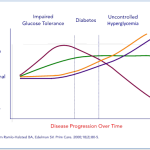 Here's another test of your graph-interpreting skills! Follow the link to see this graph at full size and indicate the parameter that best describes Curve 2.
1. Insulin Secretion
2. Postprandial glucose
3. Fasting glucose
4. Insulin Resistance
Read More »
Sep 10, 2016
Patient Mobile Apps
3,080 views
Diabetes is a disease that affects the way your body uses food. Normally, your body converts sugars, starches and other foods into a form of sugar called glucose. Your body uses glucose for fuel. The cells receive the glucose through the bloodstream. They then use insulin (a hormone made by the pancreas) to absorb the glucose, convert it into energy, and either use it or store it for later use.
Read More »
 Diabetes In Control. A free weekly diabetes newsletter for Medical Professionals. News and information for Medical Professionals.