Jul 24, 2026
Articles, Blood Glucose Control, Blood Glucose Control, Diabetes, Diet and Nutrition, News, Type 2 Diabetes, Type 2 Diabetes
3,137 views
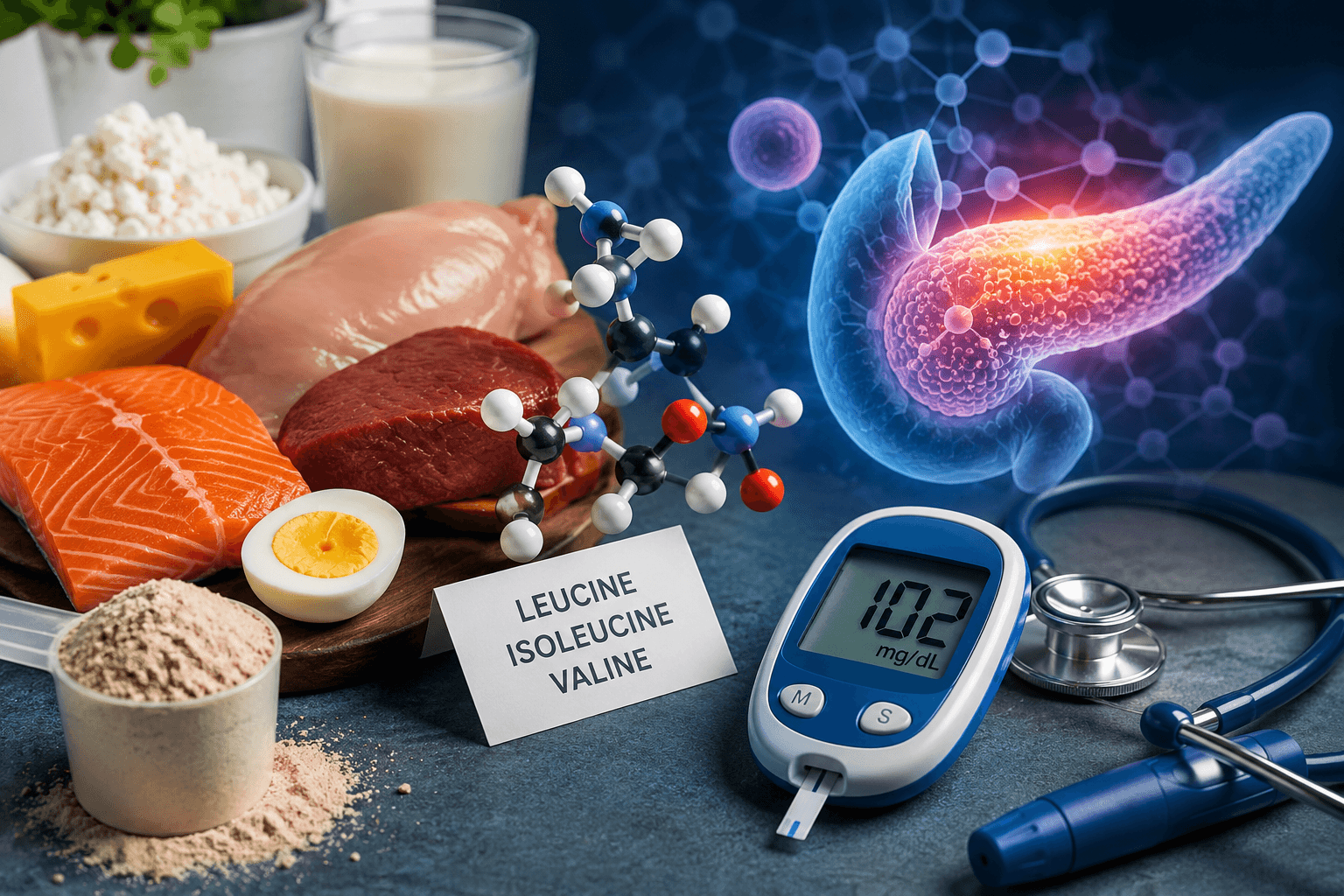
New research is changing the conversation around protein and metabolic health. For years, high-protein diets have been praised for supporting weight loss, preserving muscle, and improving blood sugar control. However, scientists are now discovering that the story may be more complex. Rather than blaming protein itself, researchers are focusing on …
Read More »
Jul 23, 2026
Articles, Diabetes, Nephrology, Type 2 Diabetes, Type 2 Diabetes
1,506 views
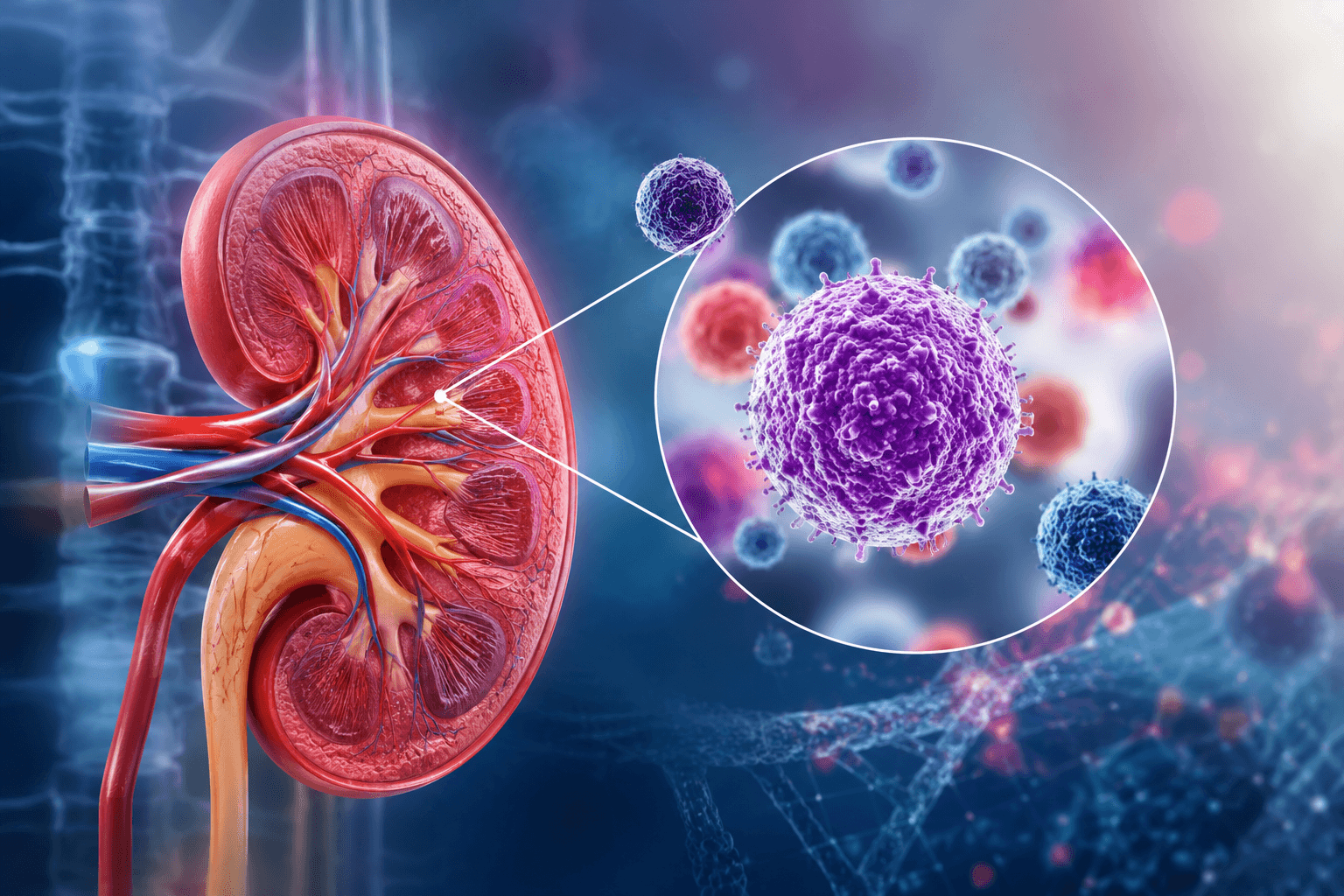
For years, diabetic kidney disease (DKD) has been viewed as a single condition that progresses in a fairly predictable way. However, new research suggests that this assumption may overlook important biological differences between patients. Scientists have now identified a previously hidden subtype of diabetic kidney disease marked by increased B-cell …
Read More »
Jul 22, 2026
Articles, Blood Glucose Control, Blood Glucose Control, Diabetes, Gastroenterology, News, Type 2 Diabetes, Type 2 Diabetes
1,565 views
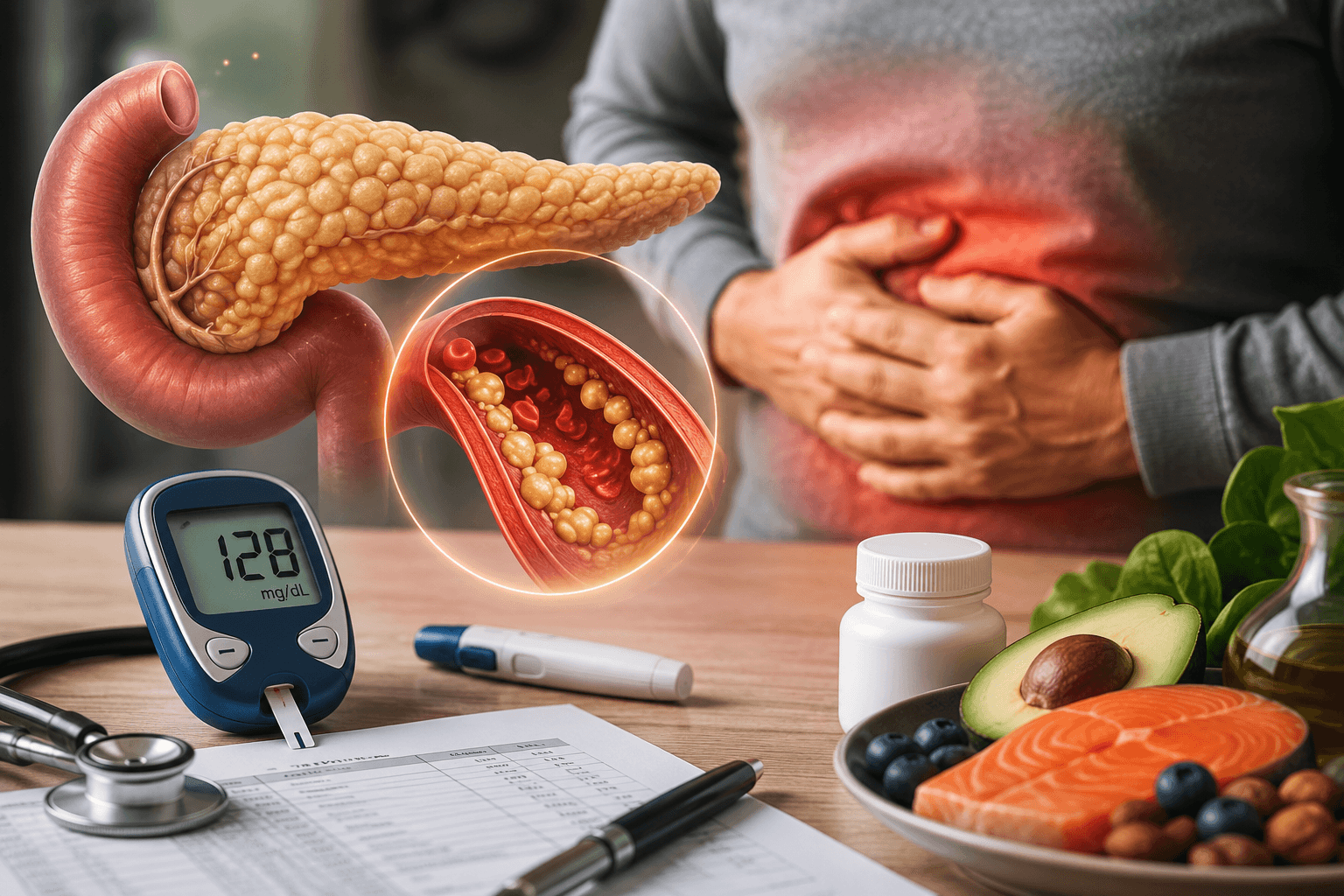
People with diabetes often focus on blood sugar, A1C, and cholesterol. However, very high triglyceride levels deserve just as much attention because they can trigger acute pancreatitis, a painful and potentially life-threatening condition. The connection between diabetes, high triglycerides, and pancreatitis is especially important because severe hypertriglyceridemia can develop silently …
Read More »
Jul 22, 2026
Articles, Cardiology, Diabetes, News, Therapies, Type 2 Diabetes, Type 2 Diabetes
1,435 views
For many people with diabetes, lowering LDL cholesterol is just as important as controlling blood sugar. However, not everyone reaches their cholesterol goals with statins alone, and injectable PCSK9 inhibitors can be inconvenient or intimidating. Now, a new option has arrived. The FDA has approved the first oral PCSK9 inhibitor, …
Read More »
Jul 21, 2026
Articles, Blood Glucose Control, Blood Glucose Control, Cardiology, Nephrology, SGLT-2 Therapy Center, Type 2 Diabetes, Type 2 Diabetes
4,124 views
For many people living with type 2 diabetes, the biggest challenge is not finding an effective medication. It is being able to afford it. That reality may begin to change now that the U.S. Food and Drug Administration (FDA) has approved the first generic versions of Farxiga (dapagliflozin), potentially making …
Read More »
Jul 17, 2026
Articles, Blood Glucose Control, Blood Glucose Control, Diabetes, News, Therapies, Type 1 Diabetes, Type 1 Diabetes, Type 2 Diabetes, Type 2 Diabetes
3,840 views
Finding the right diabetes medication often involves trial and error. One patient may respond well to a GLP-1 receptor agonist, while another sees little benefit from the same treatment. As a result, clinicians frequently adjust medications before finding the most effective option. What if doctors could test a patient’s response …
Read More »
Jul 17, 2026
Articles, Diabetes, News
950 views
Every new diabetes medication must prove it is both safe and effective before reaching patients. Traditionally, that process depends on large clinical trials that require thousands of volunteers, years of follow-up, and significant financial investment. However, what if researchers could reduce the number of participants while still producing reliable scientific …
Read More »
Jul 16, 2026
Articles, Blood Glucose Control, Blood Glucose Control, Therapies, Type 2 Diabetes, Type 2 Diabetes
2,179 views
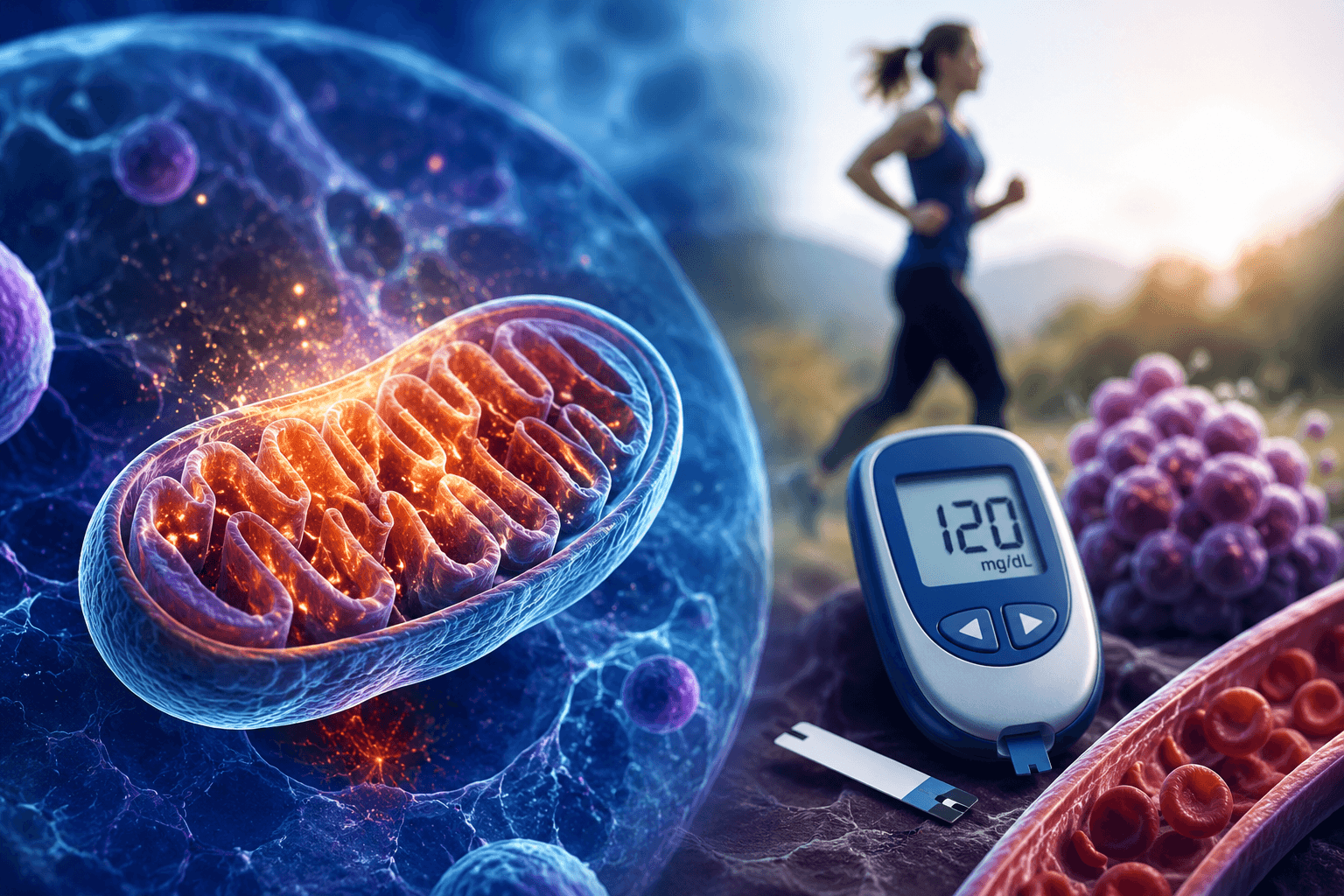
Type 2 diabetes has traditionally been viewed as a disease driven by insulin resistance and declining pancreatic beta-cell function. However, researchers are now looking much deeper into the cell itself. Increasing evidence suggests that mitochondrial dysfunction in diabetes may be a key factor linking impaired energy production, chronic inflammation, oxidative …
Read More »
Jul 15, 2026
Articles, Blood Glucose Control, Diabetes, Exercise, Physical Activity, Type 2 Diabetes, Type 2 Diabetes
3,015 views
For years, diabetes care has emphasized one simple message: exercise regularly. While that advice remains essential, researchers are now asking a more specific question. Could when you exercise be just as important as how much you exercise? Emerging evidence suggests the answer may be yes. The growing field of chronotherapy, …
Read More »
Jul 14, 2026
Articles, Blood Glucose Control, Blood Glucose Control, Bone & Joint, Diabetes, Type 2 Diabetes, Type 2 Diabetes
1,628 views
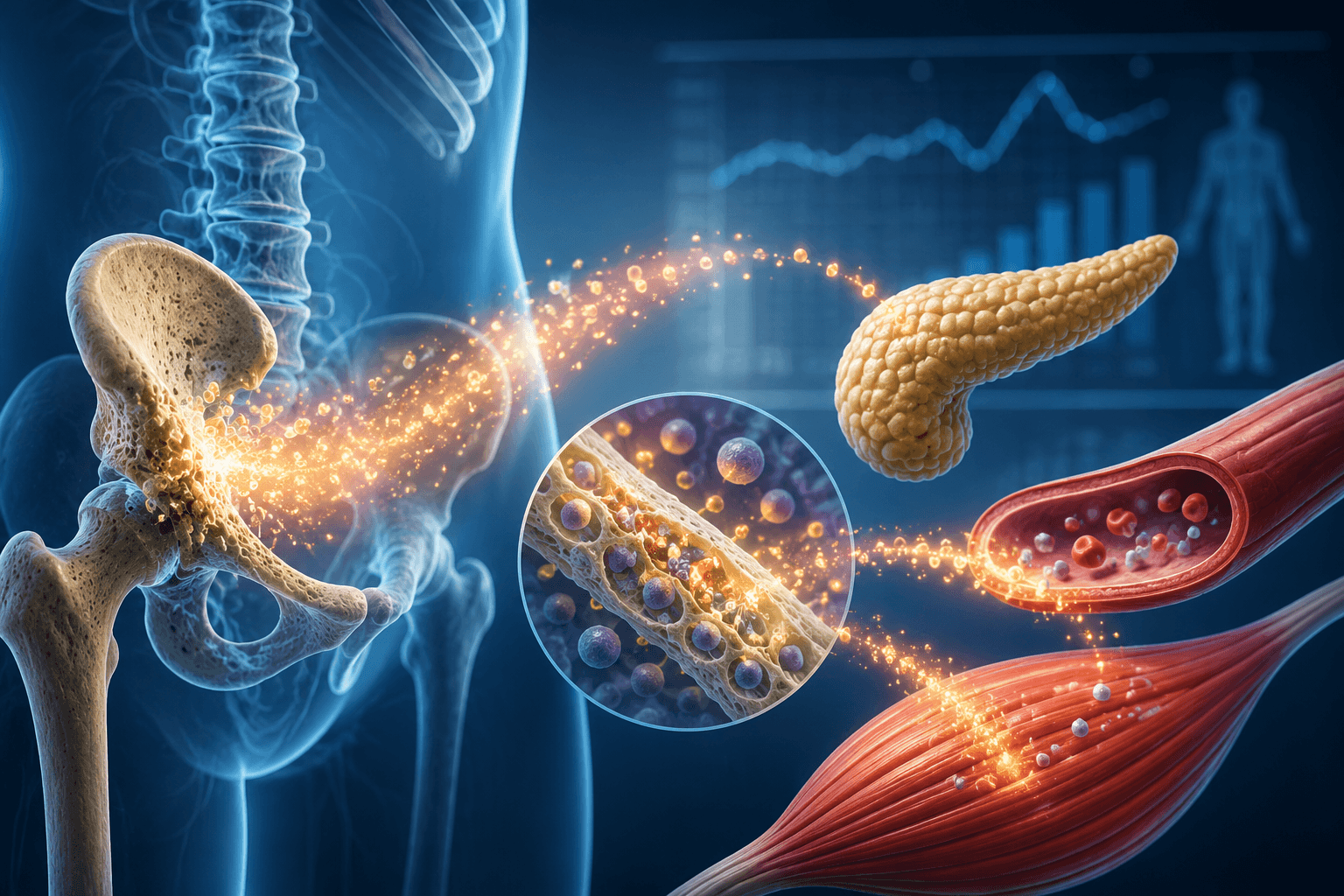
When most people think about diabetes, they picture the pancreas, insulin, or blood sugar. However, researchers are increasingly asking a different question: what if another organ has been quietly influencing glucose metabolism all along? Surprisingly, the answer may be the skeleton. For decades, bone was viewed primarily as the body’s …
Read More »
 Diabetes In Control. A free weekly diabetes newsletter for Medical Professionals. News and information for Medical Professionals.