Aug 20, 2026
Articles, Blood Glucose Control, Blood Glucose Control, Diabetes, Diet and Nutrition, Type 2 Diabetes, Type 2 Diabetes
1,804 views
Could changing the order of foods on your plate improve blood sugar without changing what you eat? Research on food sequencing for diabetes suggests it may. Eating vegetables, fiber-rich foods, and protein before carbohydrate-rich foods can reduce post-meal glucose rises in some people. Rather than removing rice, bread, pasta, or …
Read More »
Aug 12, 2026
Articles, Blood Glucose Control, Blood Glucose Control, Diabetes, Exercise, Physical Activity, Therapies, Type 2 Diabetes, Type 2 Diabetes
1,109 views
What if scientists could capture some of the metabolic benefits of exercise in a medicine? Research into the connection between myokines and diabetes is bringing that possibility closer to serious scientific discussion. When skeletal muscles contract, they do more than move the body. They release signaling molecules called myokines that …
Read More »
Aug 11, 2026
Articles, Diabetes, Gastroenterology, GLP-1 Agonist Therapy Center, Metformin Therapy Center, Type 2 Diabetes, Type 2 Diabetes
1,468 views
Could a stool sample someday help clinicians choose a diabetes medication before writing the prescription? Emerging research into gut biomarkers in diabetes is moving that possibility closer to clinical reality. Rather than simply cataloging which bacteria live in the intestine, researchers are examining microbial genes, stool-derived metabolites, and functional signatures …
Read More »
Aug 6, 2026
Articles, Cardiology, Diabetes, Neuropathy & Pain, Therapies, Type 2 Diabetes, Type 2 Diabetes
2,094 views
Diabetes care has advanced dramatically over the past decade. While therapies such as GLP-1 receptor agonists and SGLT2 inhibitors have transformed glucose management and cardiovascular outcomes, many patients continue to develop long-term complications. Could an older therapeutic target finally provide the missing piece? Interest in aldose reductase inhibitors for diabetes …
Read More »
Aug 5, 2026
Articles, Blood Glucose Control, Blood Glucose Control, Diabetes, Therapies, Type 2 Diabetes, Type 2 Diabetes
1,217 views
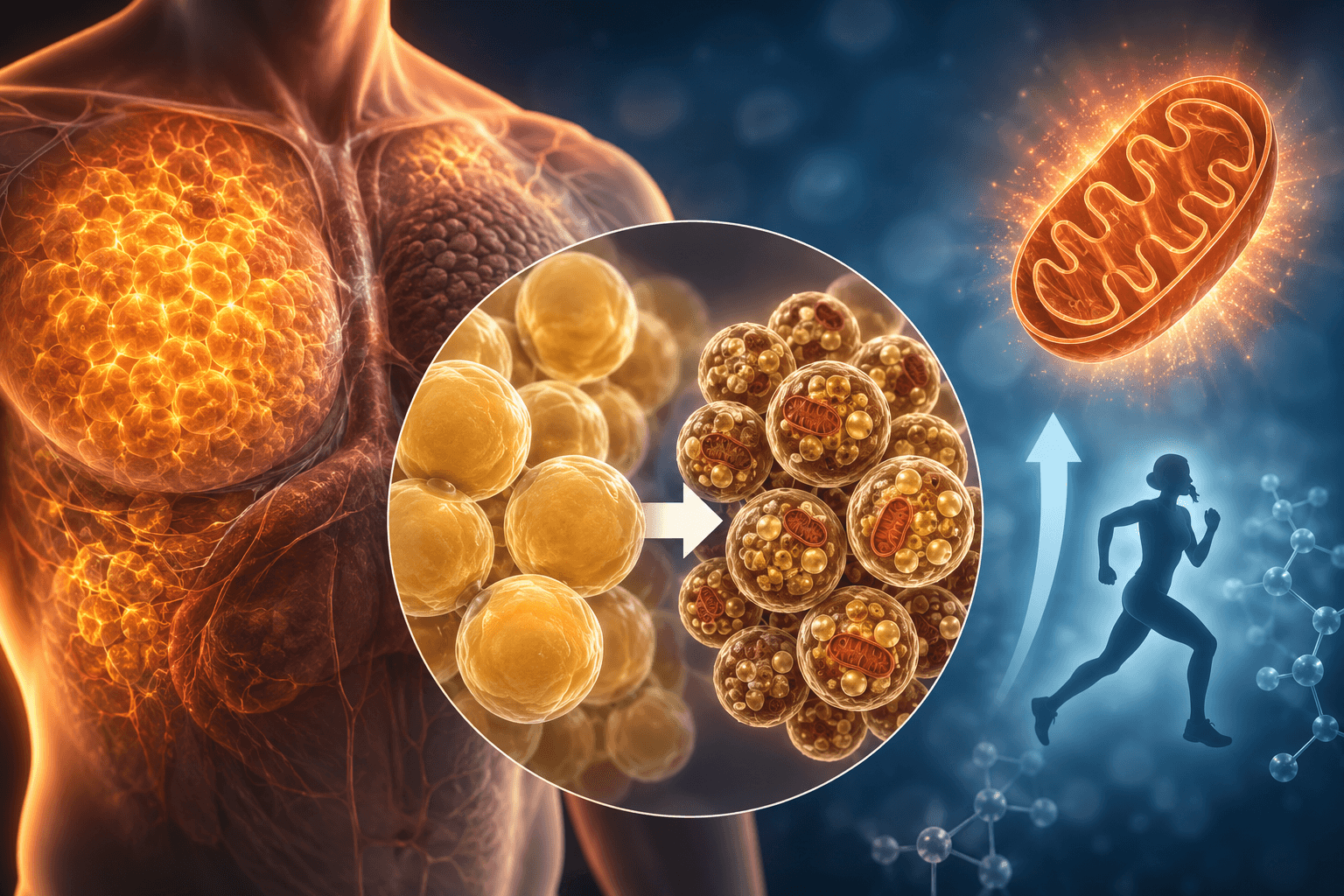
For decades, diabetes research has focused on protecting insulin-producing beta cells or replacing those that have been lost. However, scientists are now exploring a completely different strategy. Instead of repairing the pancreas, researchers are investigating whether the body’s own fat can become a powerful tool for improving glucose control. This …
Read More »
Aug 4, 2026
Articles, Blood Glucose Control, Blood Glucose Control, Diabetes, Prevention, Type 1 Diabetes, Type 1 Diabetes, Type 2 Diabetes, Type 2 Diabetes
2,284 views
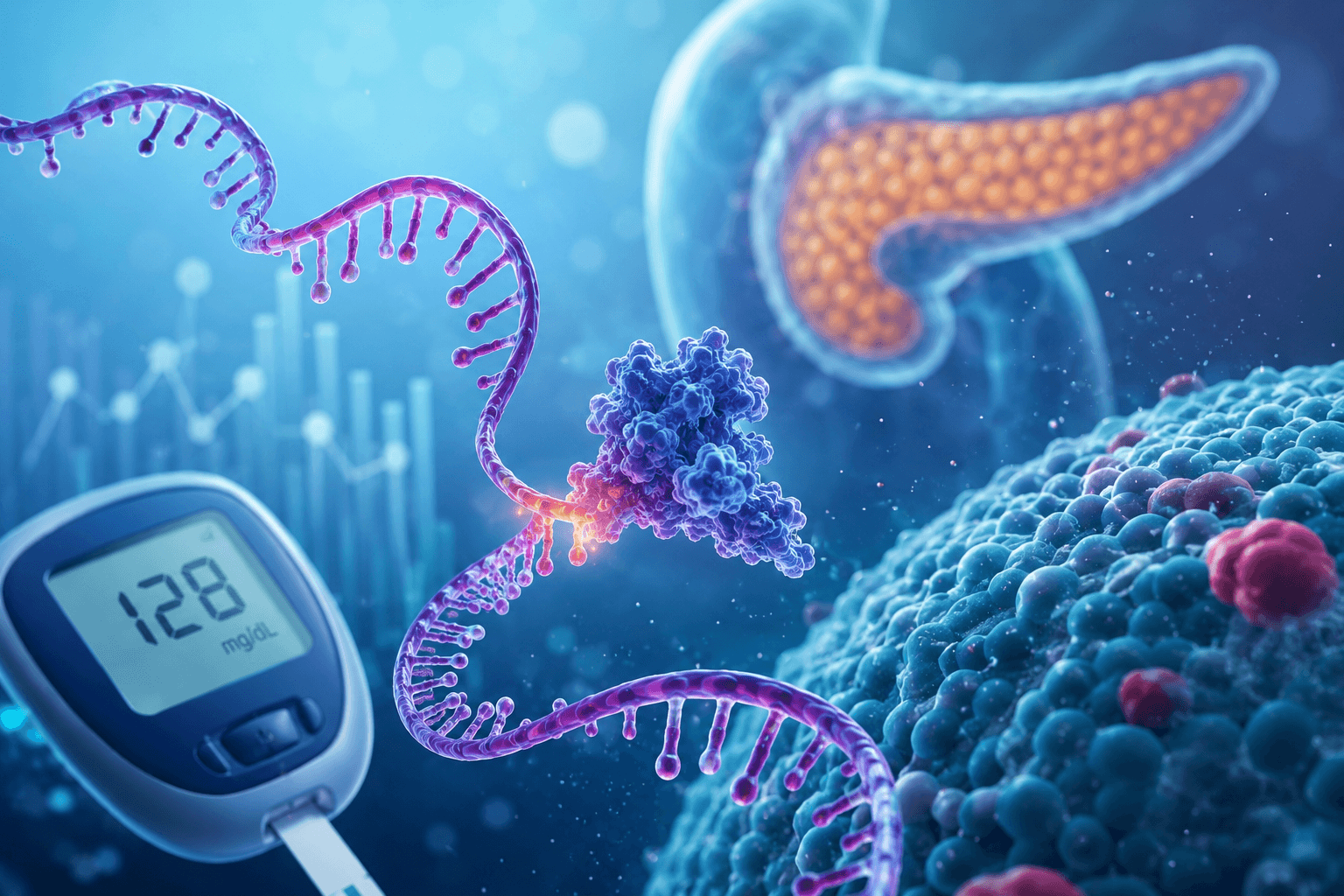
Diabetes research is moving beyond blood sugar measurements and insulin therapy into an exciting new frontier. One of the most promising areas involves microRNAs, tiny RNA molecules that quietly regulate hundreds of genes throughout the body. Although they are microscopic, their influence on insulin production, inflammation, and blood vessel health …
Read More »
Aug 4, 2026
Articles, Blood Glucose Control, Blood Glucose Control, Cardiology, Diabetes, Type 2 Diabetes, Type 2 Diabetes
1,068 views
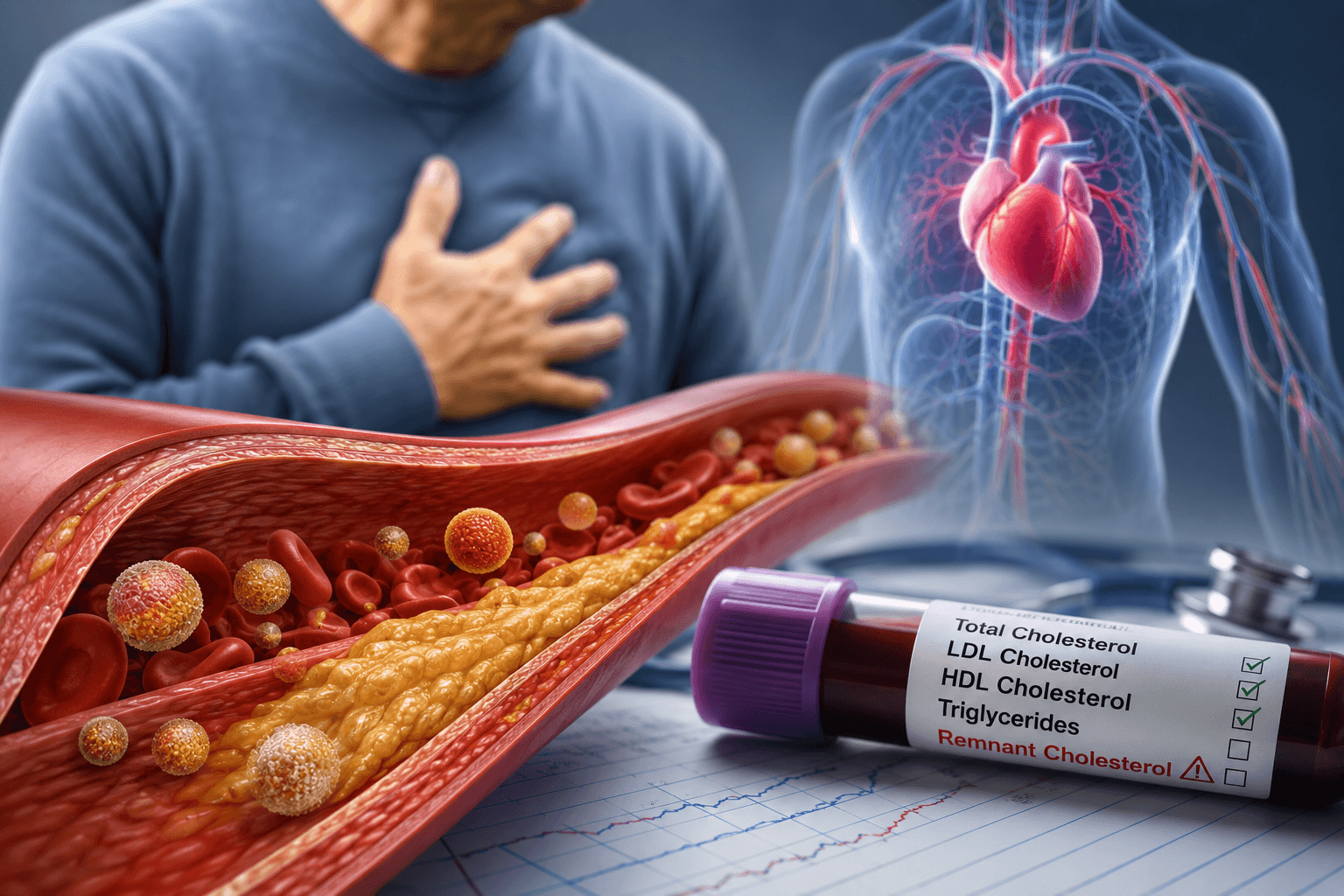
For years, lowering LDL cholesterol has been the cornerstone of preventing heart disease in people with diabetes. Statins and other cholesterol-lowering therapies have dramatically reduced cardiovascular events. Yet many patients continue to experience heart attacks, strokes, or other cardiovascular complications despite reaching recommended LDL cholesterol goals. Why does this happen? …
Read More »
Jul 31, 2026
Articles, Cardiology, Diabetes, Prevention
4,033 views
Heart disease remains the leading cause of illness and death among people with diabetes. However, one of the most concerning complications, diabetic cardiomyopathy, often develops quietly for years before symptoms emerge. During this silent phase, routine echocardiograms frequently show a normal ejection fraction, creating a false sense of reassurance. Fortunately, …
Read More »
Jul 30, 2026
Articles, Cardiology, Therapies, Type 2 Diabetes, Type 2 Diabetes
1,388 views
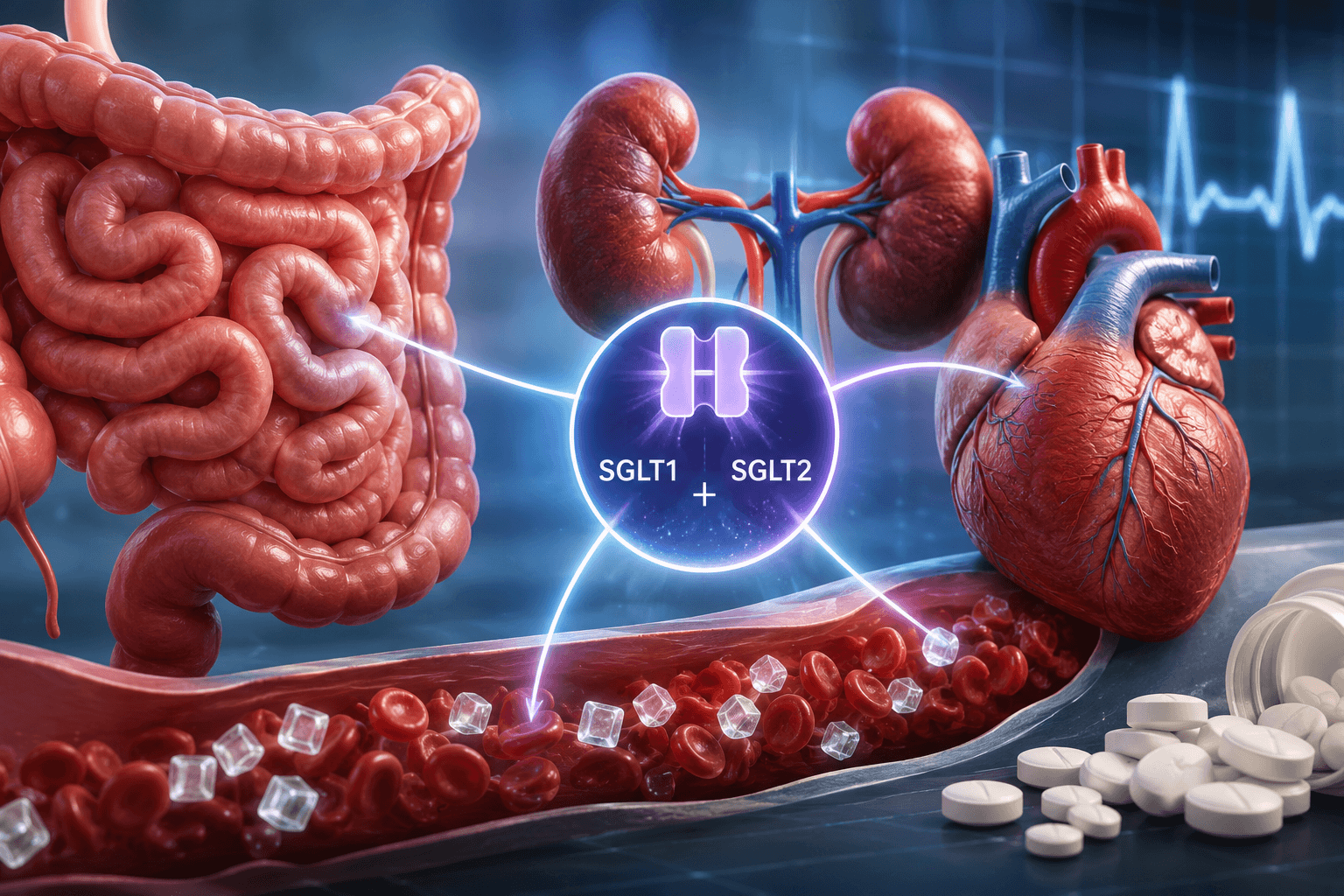
The treatment landscape for type 2 diabetes has changed dramatically over the past decade. While selective SGLT2 inhibitors have become a cornerstone of diabetes management because of their proven cardiovascular and kidney benefits, researchers are now exploring the added potential of dual SGLT1/2 inhibitor therapy for people with diabetes. By …
Read More »
Jul 29, 2026
Articles, Diabetes, Nephrology, Neuropathy & Pain, Type 2 Diabetes, Type 2 Diabetes
1,885 views
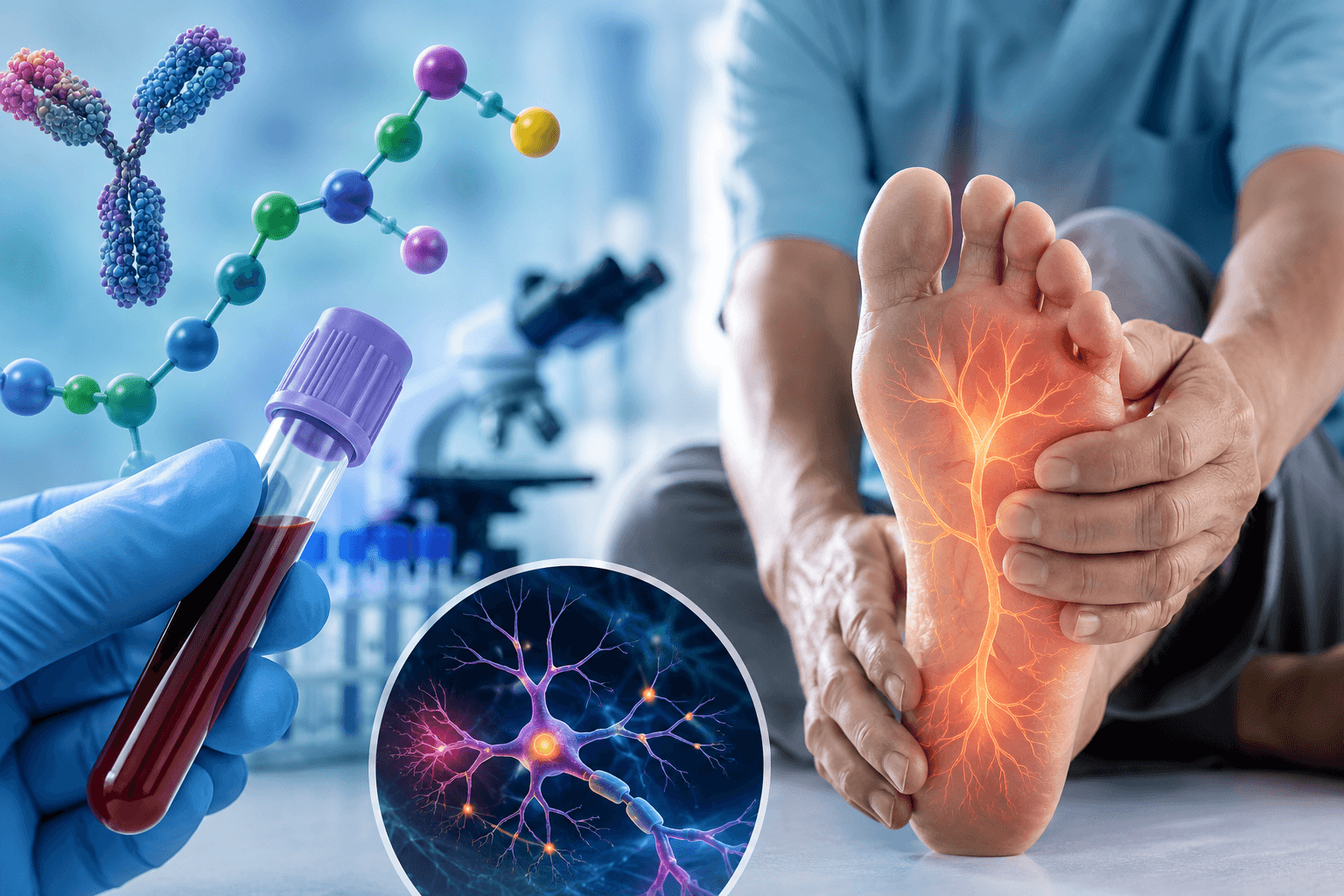
Early detection has always been one of the biggest challenges in diabetes care. What if doctors could identify patients at high risk for diabetic neuropathy or kidney disease years before symptoms developed? That possibility is driving exciting new research into IgG glycosylation in diabetes, an emerging area that examines subtle …
Read More »
 Diabetes In Control. A free weekly diabetes newsletter for Medical Professionals. News and information for Medical Professionals.