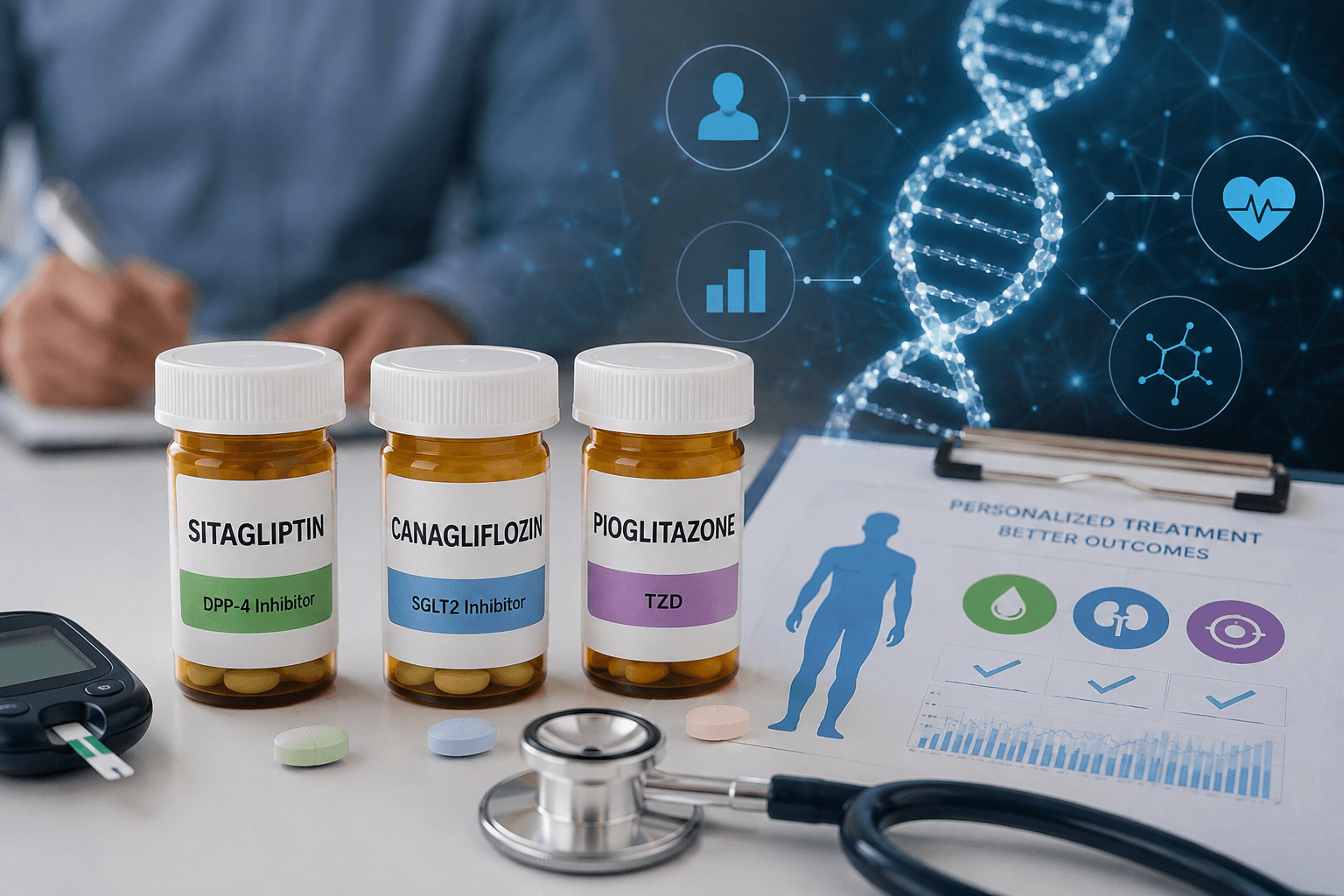
Precision diabetes treatment aims to answer a question clinicians and patients face every day: which diabetes drug is most likely to work best for this particular person? A new analysis from the TriMaster crossover trial offers an important clue. Researchers compared several precision-medicine strategies for predicting responses to sitagliptin, canagliflozin, …
Read More »The Future of Diabetes Research: Why Adaptive Clinical Trials Are Changing Drug Development
Diabetes research has advanced rapidly over the past two decades, leading to groundbreaking medications such as GLP-1 receptor agonists, SGLT2 inhibitors, and dual incretin therapies. However, one challenge remains constant: developing new treatments through traditional clinical trials is often expensive, time-consuming, and inflexible. Could there be a better way to …
Read More »Why Early Combination Therapy Is Gaining Momentum in Young-Onset Type 2 Diabetes
Young adults diagnosed with type 2 diabetes early in life often face a more aggressive disease course than older adults. While metformin has long served as the standard first-line therapy, many clinicians are now reconsidering whether a “metformin-first and wait” strategy is enough for this higher-risk population. As research continues …
Read More »Continuous Ketone Monitoring Is Coming Fast: Can It Actually Reduce Outpatient DKA Risk?
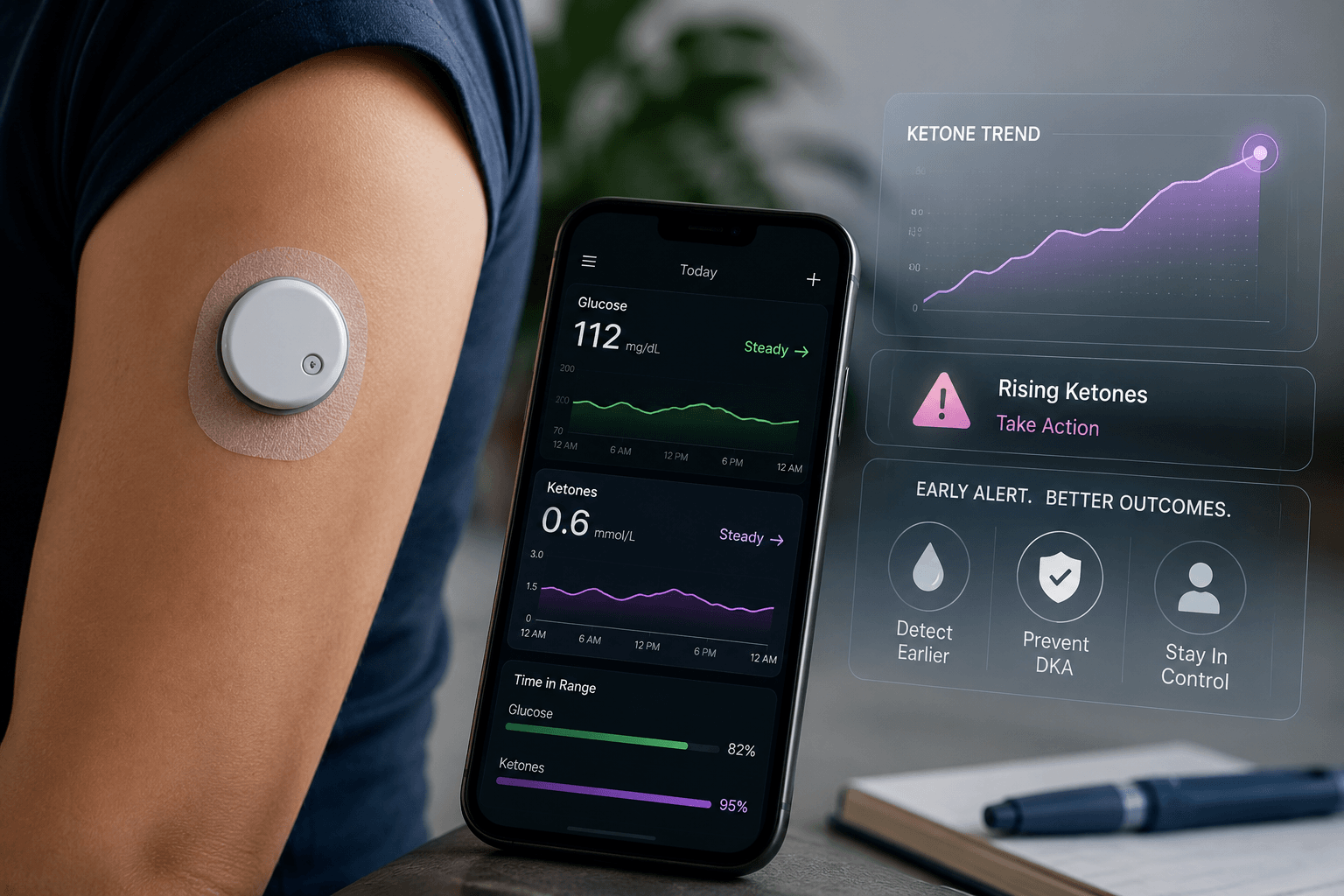
New advances in diabetes technology are moving beyond glucose alone. While continuous glucose monitoring transformed diabetes management over the last decade, wearable ketone monitoring systems are now emerging as the next major innovation. Researchers, device manufacturers, and international diabetes organizations are increasingly focused on whether real-time ketone data can help …
Read More »SGLT-2 Inhibitors: Clinical Evidence and CVD Outcomes
SGLT-2 inhibitors are a class of drugs that are used to treat type 2 diabetes. They work by blocking the reabsorption of glucose in the kidneys, allowing glucose to be excreted in the urine. As a result, they can help to reduce blood glucose levels and improve glycemic control. In …
Read More »
Diabetes In Control. A free weekly diabetes newsletter for Medical Professionals. News and information for Medical Professionals.