 Diabetes In Control. A free weekly diabetes newsletter for Medical Professionals. News and information for Medical Professionals.
TrialNet’s ASCEND T1D trial compares ATG with teplizumab to explore new ways to delay progression of Stage 2 type 1 diabetes.
Read More »Teplizumab Has Competition: A Head-to-Head Trial Could Reshape Type 1 Diabetes Prevention
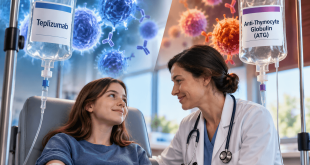
TrialNet’s ASCEND T1D trial compares ATG with teplizumab to explore new ways to delay progression of Stage 2 type 1 diabetes.
Read More »
For decades, treatment after a type 1 diabetes diagnosis focused almost entirely on insulin replacement and blood glucose management. While advances in technology have improved care, clinicians have had few ways to address the autoimmune process driving beta-cell loss. That is beginning to change. With the FDA’s expansion of teplizumab-mzwv …
Read More »
Benefit seen for preservation of β-cell function in children and adolescents with newly diagnosed type 1 diabetes
Read More »
Teplizumab improves beta-cell function in high-risk individuals with relatives who have type 1 diabetes
Read More »
The study findings shed light on the viability of a potential prophylactic treatment of type 1 diabetes in direct relatives of current patients.
Read More »
Median time to type 1 diabetes diagnosis 48.4 months with teplizumab and 24.4 months with placebo
Read More »Companies to Collaborate on the Development of Autoimmune Disease Treatments.
Read More »
Researchers have identified three subtypes of adult-onset type 1 diabetes. Learn how they differ in insulin production and complication risks.
Read More »
The type 1 diabetes consensus 2026 expands guidance on AID, cardiovascular risk, obesity, complications, psychosocial care, and new therapies.
Read More »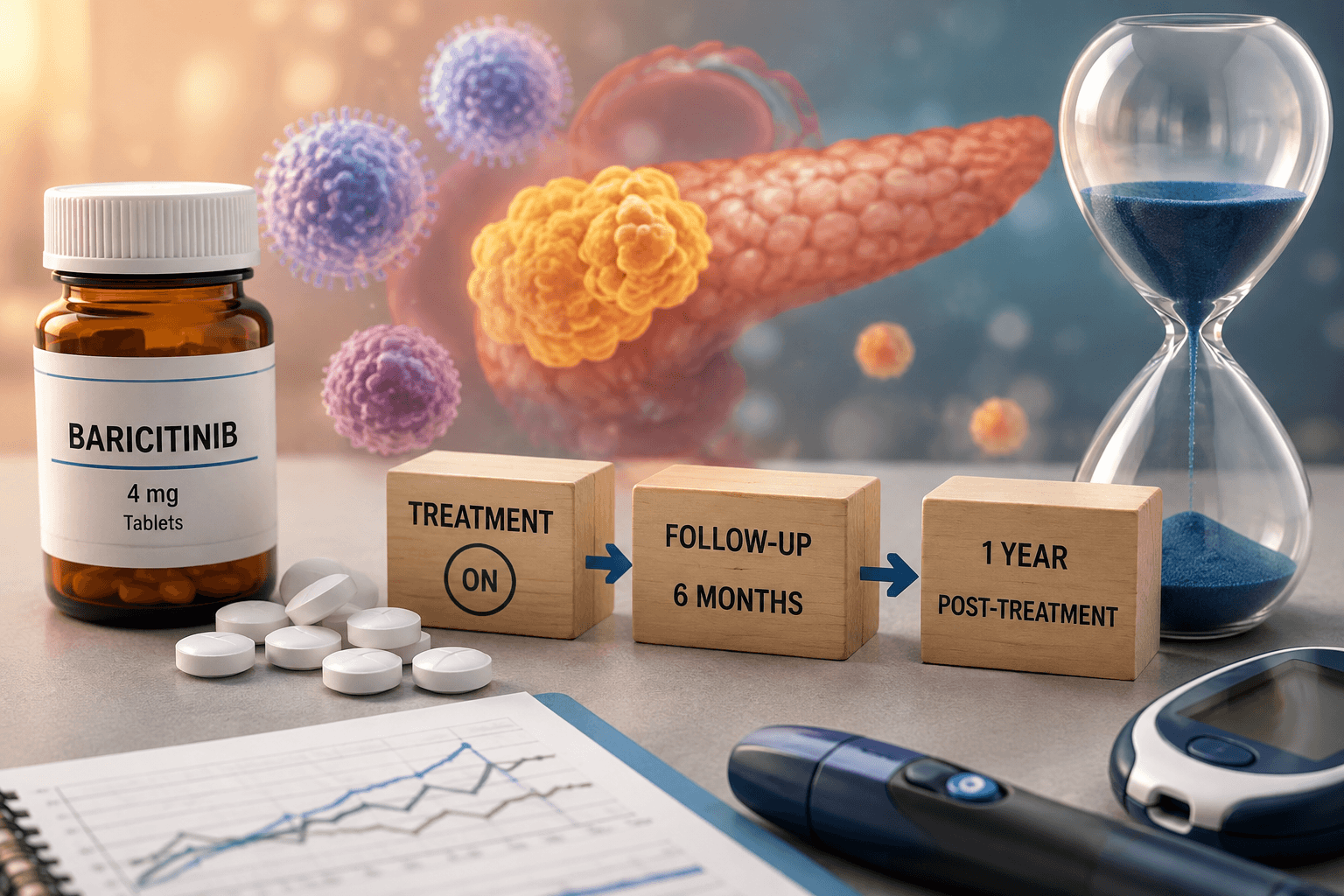
New follow-up research on baricitinib for type 1 diabetes addresses a crucial question: what happens after the drug is stopped? The original BANDIT trial showed that 48 weeks of oral baricitinib helped preserve beta-cell function in people with recently diagnosed type 1 diabetes. However, new follow-up research examines participants through …
Read More »